You want beach access, a friendly coastal lifestyle, and a price that makes your first home feel possible. On the Monterey Peninsula, that combination points many first-time buyers to Seaside. It sits just minutes from Monterey and Carmel, offers a mix of entry-level homes, and continues to be more affordable than nearby oceanfront towns. In this guide, you’ll learn what prices look like, the home types you’ll see, commute and lifestyle perks, and the trade-offs to plan for. Let’s dive in.
Why Seaside works for first-time buyers
Seaside delivers a rare mix of coastal living and relative affordability. As of January 2026 market snapshots, typical Seaside median sale prices hovered near the mid-to-high $800s. Monterey was around the low $1.1 millions, while Carmel commonly lands well above $2 million. Using the same vendor and date when you compare is key, but the pattern is consistent: Seaside is meaningfully more affordable than its neighbors.
Census data supports the picture over a longer horizon. The American Community Survey shows Seaside’s median value for owner-occupied units in recent five-year estimates around $692,600, compared with Monterey’s roughly $1,076,000. It also shows a lower owner-occupancy rate in Seaside, near 37 percent, which helps explain why the city has long functioned as a gateway to Peninsula ownership for buyers transitioning from renting to owning. You can review this context in the Census QuickFacts profile for Seaside.
Seaside’s position next to redevelopment areas on the former Fort Ord further supports its appeal. New housing, university activity, and evolving plan areas create a dynamic setting that first-time buyers often see as both practical and promising. For a high-level overview of housing context tied to Fort Ord reuse, see the Ord Forward housing market update.
What you can buy in Seaside
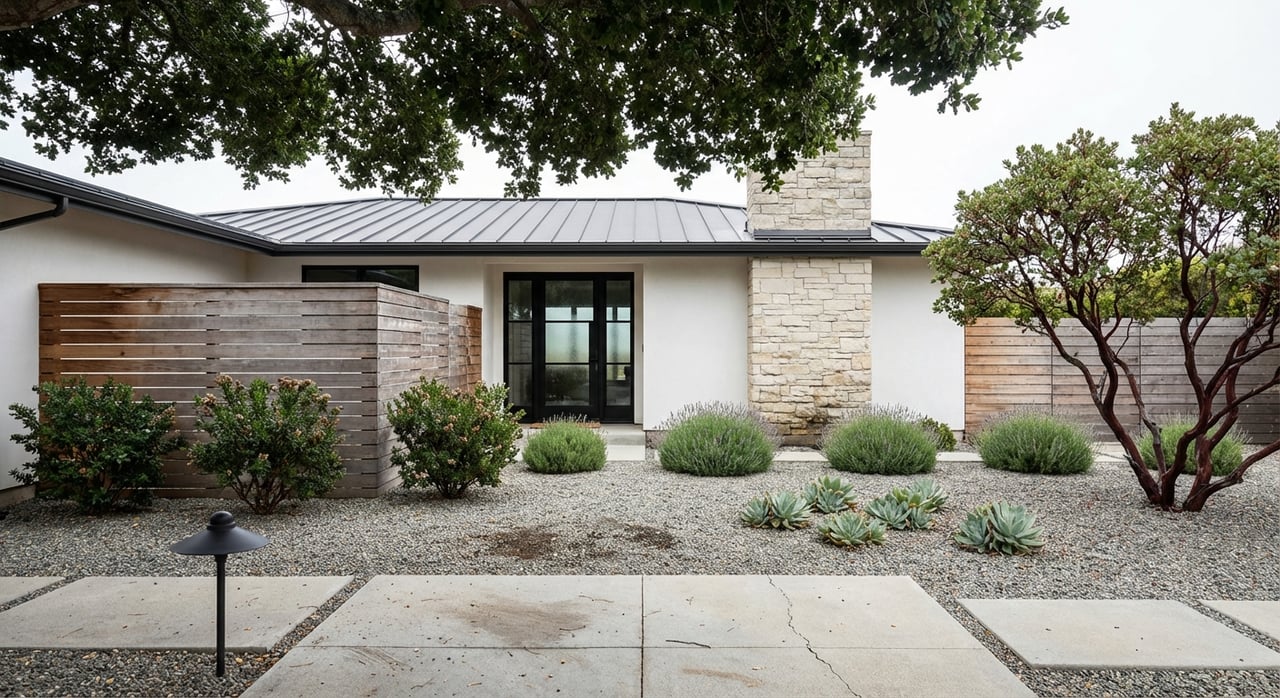
Most entry-level choices in Seaside center on smaller single-family homes from the mid-20th century. You’ll also see condos, apartment complexes, and newer infill near former Fort Ord parcels. Many of these homes are modest in size compared with nearby Monterey and Carmel, which helps keep all-in costs more accessible.
Because the housing stock is older on average, condition can vary. Some homes are move-in ready. Others are solid but dated, giving you a chance to build equity through targeted updates. A thoughtful inspection, realistic renovation budget, and contractor plan go a long way here.
Common entry-level features
- One-story or split-level homes, often 2–3 bedrooms
- Compact lots with low-maintenance yards
- Garages or carports, with room for storage or a small workshop
- Opportunities to refresh kitchens, baths, windows, and roofs over time
If you value flexibility, Seaside’s variety can be a plus. You might consider a smaller single-family home as a primary residence today with potential rental income later, or a condo close to transit and campus services.
Commute and transit
Getting around is straightforward, which is helpful if you work across the Peninsula.
- Seaside to downtown Monterey: about 3 miles and roughly 10 to 15 minutes by car depending on route and time of day, according to Travelmath’s drive distance.
- Seaside to Carmel: typically 7 to 9 miles in about 12 to 20 minutes in normal conditions.
Monterey–Salinas Transit (MST) runs fixed-route service across the region today, and the agency’s SURF! Busway and Bus Rapid Transit project is designed to improve reliability along a dedicated 5 to 6 mile corridor through Marina, Sand City, and Seaside. That is a meaningful investment if you prefer a car-light lifestyle. Follow progress on the MST SURF! project updates page.
Lifestyle on the sand
Seaside places you near the water without requiring a long drive. You have direct access to the Monterey Bay shoreline via Seaside and Monterey State Beach, plus the multi-use coastal trail for walking and biking. Explore the sand and surf using this Seaside beach overview.
A few highlights locals love:
- Seaside and Monterey State Beach for regular beach walks and sunset views
- The Monterey Bay Coastal Recreation Trail for easy, scenic miles by foot or bike
- Fort Ord Dunes State Park for a wild stretch of dune habitat and coastal vistas
- Laguna Grande Park, a central green space with trails, playgrounds, and community events. Find details on Laguna Grande Regional Park.
Schools and university connections
Public schools in Seaside are part of the Monterey Peninsula Unified School District. For boundary and enrollment information, consult the district’s MPUSD education operations page. School programs and assignments can change, so check current details that apply to your specific address and timeline.
California State University, Monterey Bay (CSUMB) is based on former Fort Ord lands in and adjacent to Seaside. The university enrolls thousands of students each year, supporting local services and employment. You can review recent figures on CSUMB’s enrollment overview.
Trade-offs to weigh
Every coastal market involves balancing value with condition, location, and competition. In Seaside, consider the following:
- Affordability versus condition. Many entry-level homes are older and may need upgrades. Budget for inspections and improvements. The Fort Ord analysis notes that older small single-family homes and investor rentals play a key role in local workforce housing, which aligns with what you will see on the ground. For context, review the Ord Forward housing market update.
- Investor activity and rental share. Seaside’s owner-occupancy rate near 37 percent indicates a sizable rental presence. That can affect neighborhood character and the supply of entry-level homes that come to market. See Census QuickFacts for Seaside for background.
- Safety varies by neighborhood. As with any city, crime patterns differ by area and time. Before you buy, look at current public data, such as summaries on the Crime Explorer Seaside page, and combine that with on-the-ground visits at different times of day.
- Small inventory moves quickly. The Peninsula’s coastal markets often have fewer listings, and the best-priced homes can attract multiple offers. Being prepared early is a real advantage.
How to shop smart in Seaside
A thoughtful plan will help you compete confidently without overreaching.
- Clarify your budget and financing
- Talk with a local lender early and get preapproved. Ask about monthly payment ranges at different price points and interest-rate scenarios.
- Explore first-time buyer programs. Statewide options like CalHFA and GSFA, plus county-level programs, may help with down payment or closing costs. Program details change, so confirm current eligibility and limits before you shop.
- Plan for condition and maintenance
- Prioritize your non-negotiables, then decide which updates you can phase. New roof now, kitchen later is a common path.
- Add a renovation cushion to your budget so you can act quickly on a home with good bones.
- Be neighborhood-specific
- Street-by-street differences matter for price and feel. Tour at multiple times and check data for your short list. Keep school boundaries, parking, and commute routes in mind as you narrow choices.
- Move at market speed
- Set alerts, tour quickly, and be ready with clean offer terms. Your agent’s relationships and read on local seller expectations can make a difference when inventory is tight.
Outlook and long-term upside
Seaside sits next to active reuse areas on the former Fort Ord, with a mix of planned housing and institutional activity. Work underway on the SURF! busway also signals continued regional investment in reliable transit. Together, these factors suggest steady demand for well-located Seaside homes over a 5 to 10 year horizon. If you want to understand the land-use backdrop, review the Fort Ord property overview alongside the Ord Forward housing market context, and track MST’s SURF! project updates.
When you are ready to compare neighborhoods and refine a price target, a boutique team with deep Peninsula roots can help you weigh trade-offs block by block and craft a plan that fits your first home and future goals.
If Seaside is on your radar, let’s talk about timing, neighborhoods, and a purchase strategy tailored to you. Reach out to the team at Carmel Valley Realty Company to start a focused search or to discuss how Seaside stacks up against Monterey and Carmel for your lifestyle and budget.
FAQs
Is Seaside still more affordable than Monterey and Carmel for first-time buyers?
- Yes. As of January 2026, Seaside’s median sale price was commonly reported in the mid-to-high $800s, compared with roughly the low $1.1 millions in Monterey and well above $2 million in Carmel, using a single vendor snapshot for consistency.
What types of homes do first-time buyers typically find in Seaside?
- You will mostly see smaller mid-century single-family homes, plus condos and newer infill near former Fort Ord parcels, with many properties offering manageable update or renovation opportunities.
How long is the commute from Seaside to Monterey or Carmel?
- Seaside to downtown Monterey is about 3 miles, often 10 to 15 minutes by car depending on time of day, and Seaside to Carmel is typically 12 to 20 minutes; see Travelmath’s distance reference for context.
What lifestyle amenities stand out in Seaside for new homeowners?
- Direct beach access, the coastal trail, nearby Fort Ord Dunes State Park, and community spaces like Laguna Grande Park deliver daily outdoor options without a long drive.
Which public schools serve Seaside neighborhoods?
- Seaside is served by the Monterey Peninsula Unified School District; use the district’s MPUSD education operations page and confirm boundaries for your specific address and year.
What should first-time buyers budget for beyond the purchase price in Seaside?
- Plan for inspections, immediate maintenance, and phased updates common to older homes, plus closing costs and reserves; a renovation cushion can help you act on a well-located property with good fundamentals.