What if your second home could be a morning stroll to white sand, an art walk after lunch, and a sunset over cypress silhouettes by dinner? Planning a place in Carmel can feel both exciting and complex. Between walkable village cottages and dramatic coastal estates, you have real tradeoffs to weigh, along with rules, permits, financing, and upkeep to get right. This guide helps you narrow your wish list, understand key regulations and costs, and head into tours with a ready-to-use checklist. Let’s dive in.
How the Carmel market really works
Carmel is a small, seasonal market. Short-term data can swing a lot from month to month because a few sales can shift the median. Public snapshots have recently shown medians near the high six figures, but that reflects very few closings at a time. In practice, you will see a broad price range across property types and neighborhoods.
Expect a spectrum. Some small condos trade in the mid six figures. Many village cottages and inland homes often sell in the 1 to 3 million range. Prime oceanfront, Pebble Beach, and Del Monte Forest estates can reach several millions. The smartest move is to ask your agent for 6 to 12 months of sold data filtered by your target micro-neighborhood and property type.
Village vs coastal tradeoffs
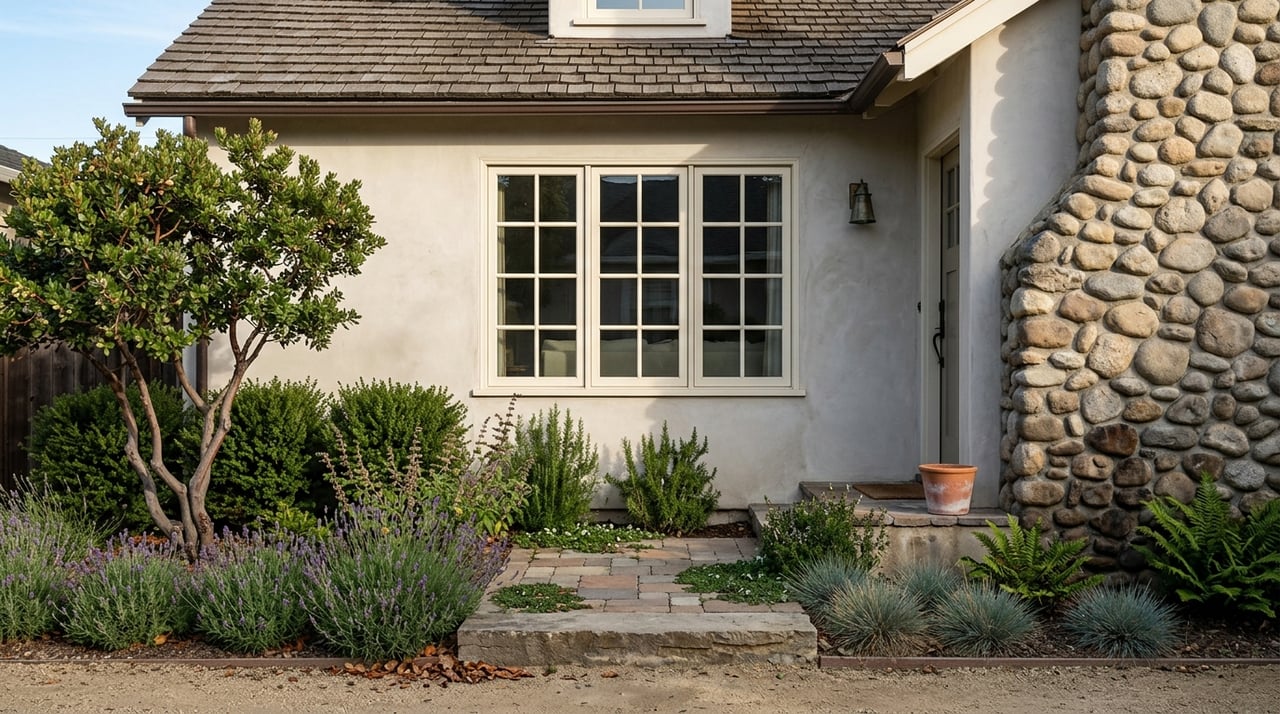
- Village cottages in downtown Carmel-by-the-Sea offer exceptional walkability and instant access to shops, restaurants, and the beach. Lots are smaller, parking may be tight, and many homes are historic. Exterior changes often go through design and study review that preserves village character.
- Carmel Point, Carmel Highlands, and Scenic Road lean into views, privacy, and ocean drama. These areas can involve coastal setbacks, bluff stability concerns, and special permits through the City’s Local Coastal Program.
- Carmel Woods, Hatton Fields, and nearby inland pockets tend to have larger lots and easier parking while staying close to the village. If you want a country vibe with vineyards and sun, Carmel Valley is about a 15 to 25 minute drive from the village depending on route and traffic.
Know the rules before you fall in love
Regulations differ sharply depending on which side of the city boundary you choose. Get clarity early so your plans and financing line up with reality.
Inside Carmel-by-the-Sea city limits
- Short-term rentals under 30 days are defined as transient rentals and are generally prohibited in Single-Family and Multi-Family Residential Districts. In certain commercial districts, transient use may be allowed but requires a business license, a Transient Occupancy Registration Certificate, and collection of the City’s TOT. Conversions to transient use can trigger hotel or R-1 building requirements like fire sprinklers and accessibility. Review the City’s transient rental handout and confirm zoning and permits for any specific property.
- Many cottages are older or historic. Exterior alterations, additions, and demolitions often require historic determinations and design review. Plan for a more discretionary timeline if you intend to remodel.
- Because the entire city is in the coastal zone, projects near the shore may require coastal development permits under the Local Coastal Program. Setbacks, bluff stability, and public access protections all matter.
Unincorporated Monterey County areas nearby
Looking at Pebble Beach, Carmel Highlands, or Carmel Valley outside city limits? Monterey County has a vacation rental program with registration or permits, fees, and area caps in some coastal planning zones. Review the county ordinance framework and confirm if a property is eligible or grandfathered before you assume rental income. Start with the County’s published program materials on vacation rentals and licensing outlined in this ordinance overview.
Practical tip
Ask the listing agent to verify whether the parcel is inside Carmel-by-the-Sea or in unincorporated Monterey County. Then request copies of any existing transient or business licenses, permit histories, and whether the home is on Carmel’s historic inventory. This one step can save weeks of rework.
Financing, taxes, and carrying costs
Loan sizing and second-home underwriting
Conforming loan limits increased for 2026, with a baseline of 832,750 and a high-cost ceiling of 1,249,125. Many Carmel properties exceed those limits, so jumbo financing is common. Jumbo loans often require larger down payments, more reserves, and different pricing. Confirm the Monterey County limit for your ZIP using the FHFA 2026 loan limit announcement.
Second-home loans are underwritten more conservatively than primary residences. Be clear with your lender about planned occupancy and any rental intent. Get a pre-approval specifically for a second home so you know your budget and terms.
Property taxes and TOT
Monterey County’s 2025–26 Tax Rate Book shows typical combined secured rates around 1.04 percent in many Peninsula areas, plus local assessments that vary by parcel. Review the seller’s most recent tax bill to understand special charges or Mello-Roos. You can see current county rate materials in the Tax Rate Book.
If you plan to operate a permitted rental, budget for Transient Occupancy Tax and compliance costs. The City and County have separate programs and reporting schedules. The City’s transient rental handout outlines local TOT expectations for in-city transient uses.
Insurance and coastal realities
Standard homeowners insurance does not cover earthquake or flood. California carriers must offer earthquake coverage through the California Earthquake Authority, and flood insurance is available through NFIP or private markets in some areas. Near the coast, confirm flood zone status using FEMA’s Flood Map Service Center, and get quotes early for homeowners, earthquake, flood, and, if relevant, rental liability. The state Department of Insurance explains earthquake offerings here: earthquake coverage overview.
Hazards and site due diligence
Coastal hazards and sea level
Carmel and Monterey County actively plan for coastal hazards and sea-level rise. Bluff-front and beachfront properties can face specialized permitting and long-term adaptation needs like stair repairs or shoreline protection. Review the City’s Coastal Adaptation Project updates and ask for site-specific coastal engineering or geotechnical evaluations when you consider bluff locations.
Fire hazard severity zones
Recent updates to Fire Hazard Severity Zone maps have expanded moderate, high, and very high designations in parts of the Peninsula. These designations influence defensible space, exterior materials, and insurance underwriting. A local summary of the changes is available in this overview of changing fire zones. Confirm the current designation for any property you are evaluating.
Earthquake and flood
Earthquake risk is California-wide, and retrofit needs vary by age and construction. For flooding, rely on FEMA flood maps and, when relevant, an elevation certificate. Your inspector can help flag conditions that may affect insurance pricing and lender requirements.
What to ask your inspector
- Request a coastal bluff stability or geotechnical review for any bluff-front or near-shore site.
- Look for evidence of recent shoreline or stairway repairs and confirm that coastal permits were obtained when required.
- Verify defensible space compliance and fire-resistive features consistent with local codes.
- For low-lying areas, ask for a current survey or elevation certificate to support flood insurance quotes.
Plan how you will use the home
Decide your usage model
Clarify whether the home will be purely for personal use, occasionally rented long-term, or, where permitted, rented short-term. Lender underwriting, City or County licensing, and your tax reporting can all change based on use. For a true second home, choose durable finishes and create a simple storage plan for seasonal items.
Line up local help
Salt air can speed up metal corrosion and exterior wear. Arrange a painter, roofer, and deck specialist who understand coastal conditions. If you will be remote, consider a local management company for housekeeping, seasonal checks, and emergency coordination. Ask for vendor references during your inspection window.
Set up security and utilities
Confirm utility connections, septic or sewer, and any neighborhood restrictions on service access. For occasional stays or permitted rentals, consider remote monitoring, smart locks, and clear procedures for local contacts. If renting, make sure your business license and transient tax remittance accounts are active before hosting.
Your property tour checklist
Use this list to focus your questions during showings and disclosures. Ask the listing agent for documents to verify each item.
- Jurisdiction and zoning. Is the home inside Carmel-by-the-Sea or in unincorporated Monterey County? This determines who regulates short-term rentals, permits, and TOT. Review the City’s transient rental rules and the County’s vacation rental program framework before assuming rental income.
- Taxes and utilities. Request the most recent property tax bill, any supplemental bills, recent utility statements, and HOA documents if applicable.
- Permit history. Ask for building permits, any coastal development permits, and confirmation of historic status if the home appears older or architecturally significant.
- Rental status. If you intend to rent, verify whether the property currently operates legally as a transient or vacation rental and what would be required to convert. Ask if any hotel-level life-safety upgrades would be triggered.
- Hazards. Check FEMA flood-zone status, ask for geotechnical or coastal engineering reports for bluff sites, and confirm Fire Hazard Severity Zone classification and defensible space status.
- Financing. Confirm the conforming loan limit for your target area, whether you will need jumbo financing, and secure a second-home pre-approval that matches your intended use.
- Insurance. Obtain quotes for homeowners, earthquake, flood, and, if relevant, rental liability before you write an offer.
Bringing it all together
Carmel offers two compelling paths. In-city cottages deliver walkability and charm guided by historic and design review, with most short-term rentals not permitted in residential districts. Nearby unincorporated areas offer privacy and views under Monterey County’s vacation rental rules. With a clear usage plan, an aligned pre-approval, early insurance quotes, and targeted due diligence, you can choose confidently.
When you are ready to explore specific streets, micro-neighborhoods, and the tradeoffs that matter to you, connect with a local team that lives hospitality and place. Based in Carmel Valley Village and active across the Monterey Peninsula, Carmel Valley Realty Company combines boutique, high-touch guidance with deep local networks to help you find the right second home and navigate permits, inspections, and negotiations smoothly.
FAQs
What should second-home buyers in Carmel budget for beyond the mortgage?
- Plan for property taxes around the local rate plus parcel assessments, insurance for homeowners, earthquake, and flood, routine coastal maintenance, and, if you will rent where allowed, business licensing and TOT compliance.
Are short-term rentals allowed in residential areas inside Carmel-by-the-Sea?
- Transient rentals under 30 days are generally prohibited in residential districts; limited commercial areas have specific rules and licensing requirements. Always verify zoning and permits for a specific property.
How do coastal permits affect remodeling a Carmel cottage or bluff home?
- Projects near the shore may require coastal development permits with setbacks and bluff stability standards, and many older cottages also go through historic or design review, which can lengthen timelines.
Will I need a jumbo loan to buy a Carmel second home?
- Many properties exceed conforming loan limits, so jumbo financing is common. Get a second-home pre-approval and confirm the county’s current conforming limit to understand your options.
What inspections are most important for oceanfront or near-shore properties in Carmel?
- Request geotechnical or bluff stability reviews, verify any shoreline work and permits, check flood-zone status, and confirm fire-safety and defensible space compliance for the parcel.