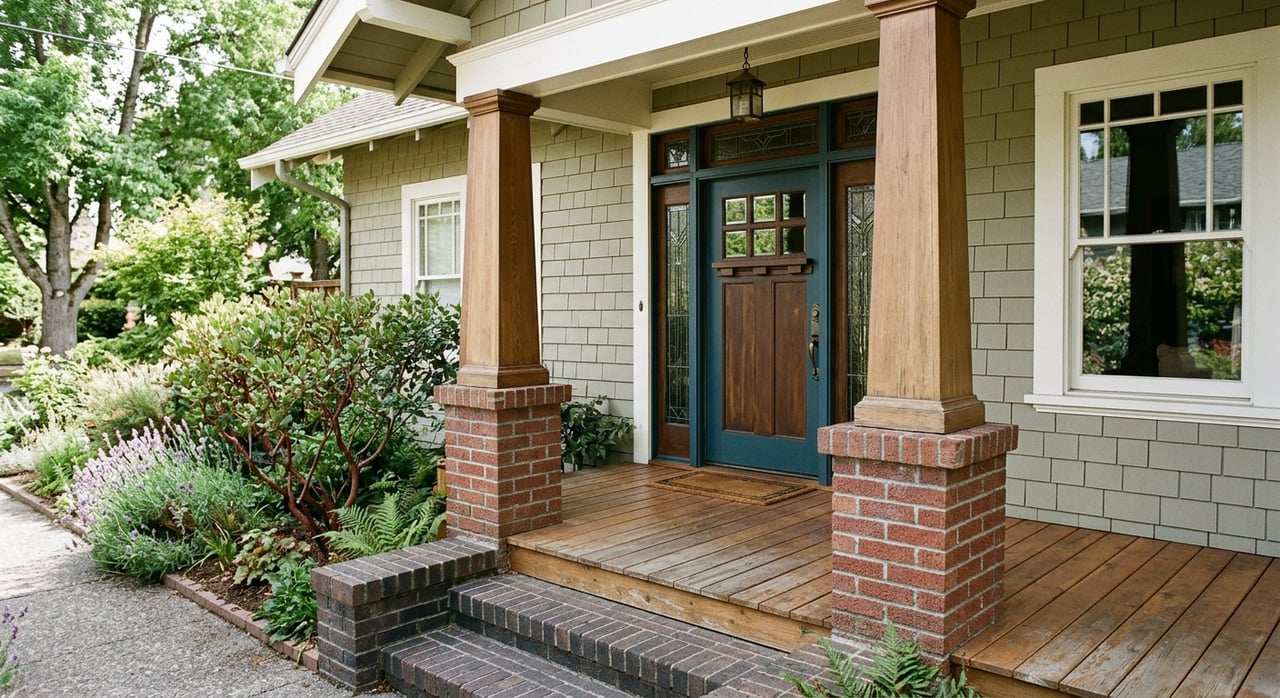
Thinking about buying a historic home in Pacific Grove? You are not alone. For many buyers, the appeal is easy to understand: distinctive architecture, walkable streets, and a sense of place that newer homes rarely match. But charm comes with questions about permits, maintenance, and renovation limits, so it helps to know what to look for before you make an offer. Let’s dive in.
Why Pacific Grove historic homes stand out
Pacific Grove has one of the Monterey Peninsula’s most recognizable collections of older homes. According to the city’s Historic Resources Inventory overview, the local inventory includes more than 1,300 buildings, with about fifteen also listed on the National Register of Historic Places and/or the California Register.
That said, not every older home is officially designated historic. The city notes that many buildings more than 50 years old have not yet been surveyed, so age alone does not mean a home is on the Historic Resources Inventory, or HRI.
This matters because a home’s historic status can affect your renovation options, permit path, and long-term maintenance planning. Before you fall in love with the front porch or original windows, it is smart to confirm how the city classifies the property.
Architectural styles you may see
Pacific Grove’s historic context statement describes a layered mix of residential architecture. In practical terms, that means you may see very different home styles on the same block.
Some of the most common styles include:
- Tent cottages, often simple rectangular homes with front-gable roofs
- Queen Anne cottages, known for bay windows and spindlework porches
- Craftsman bungalows, which may feature deep eaves, river-rock skirting, and tapered porch columns
- Colonial Revival and Shingle-style houses
- Spanish Colonial Revival homes, often finished with stucco, clay tile roofs, arches, and metal balconettes
- Tudor Revival homes
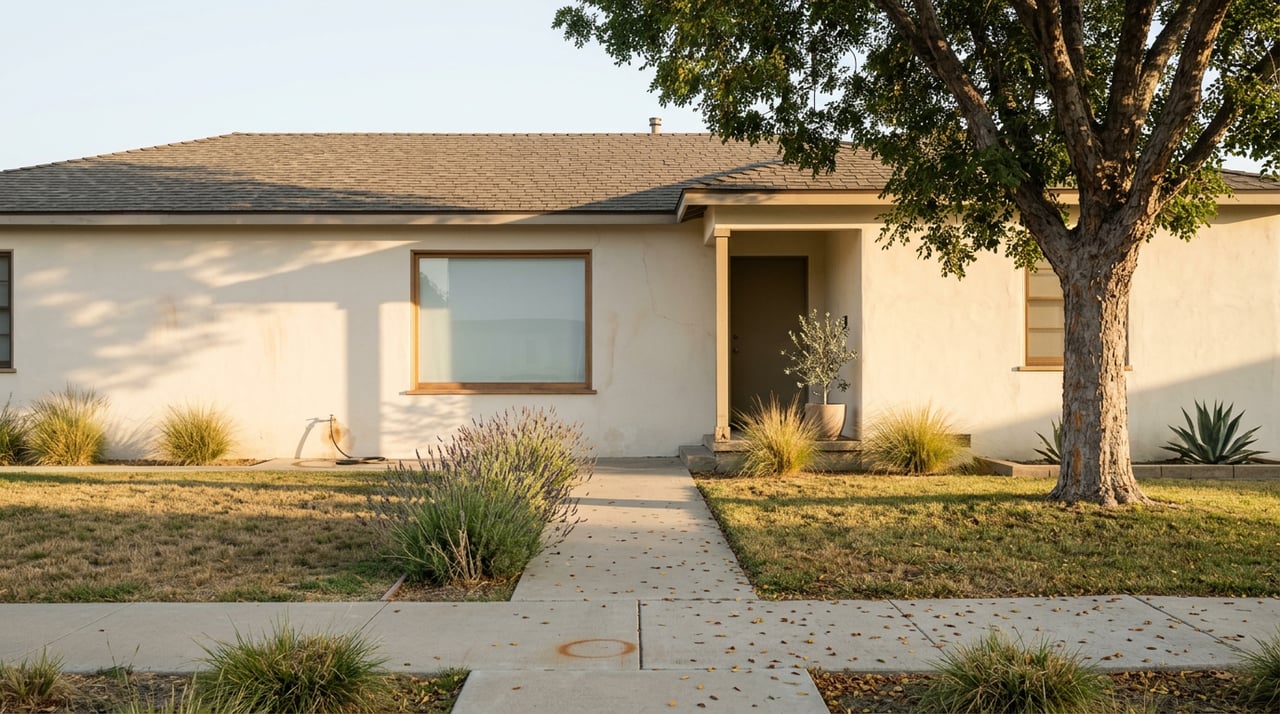
The city also notes that many early 20th-century homes were modest one-story wood-frame residences with gable or hip roofs, original wood windows and doors, and in some cases later stucco cladding. If you are comparing homes, these details can help you understand what is original, what may have been altered, and what features may be important to preserve.
Neighborhood context matters
In Pacific Grove, buying a historic home is not just about the house itself. It is also about lot size, setback, massing, and how the property fits into the surrounding streetscape.
For example, the city describes the Beach Tract as architecturally unique, with small lots, spaces, and massing that create a village-like setting. For you as a buyer, that can affect how an addition, exterior remodel, or even a new garage might be reviewed in the future.
If you are buying with renovation plans in mind, neighborhood context should be part of your due diligence from the start. A house may have plenty of potential on paper, but the setting can shape what changes feel compatible and what approvals may be required.
Confirm historic status before you buy
One of the first questions to ask is simple: Is the house historic, or just old? That distinction can shape your ownership experience.
Pacific Grove’s historic rules are tied to factors such as whether a property is on the HRI, whether it is eligible or undetermined, whether it is in the coastal zone, and how extensive your proposed work will be. Under the city’s historic preservation procedures, the Historic Resources Committee, or HRC, is the decision-making authority for historic determinations and for several permit types affecting HRI properties.
Before closing, it is worth verifying:
- Whether the home is on the HRI
- Whether the home is in the coastal zone
- Whether prior additions or remodels were permitted
- Whether future work may require HRC review
- Whether any exterior changes would need materials-matched repairs instead of standard replacement products
What repairs and upgrades often involve
Historic homes can be rewarding to own, but they usually require a more careful approach to repairs. In Pacific Grove, common preservation issues often involve windows, porches, siding or stucco, and roofs.
The city’s code requires ordinary maintenance on historic structures to use the same materials and design, or materials that match the historic appearance. The city also looks closely at elements such as windows, stairs, railings, doors, and porches when exterior work is proposed.
That lines up with National Park Service guidance. Its resource on evaluating historic windows says windows should be repaired rather than replaced whenever feasible, and if replacement is necessary, the new work should match the original as closely as possible in design, color, texture, and materials.
For buyers, that means a remodel budget for an older Pacific Grove home may look different from a budget for a newer property. A quick off-the-shelf fix is not always the right or approved path.
Stucco, roofs, porches, and original details
Many Pacific Grove homes changed over time, especially in the 1920s and 1930s when some wood exteriors were later covered in stucco. If you are evaluating condition, look beyond whether a surface looks fresh and ask whether the repair appears compatible with the home’s age and style.
The National Park Service’s Preservation Briefs cover common rehab topics like roof repair, wood windows, stucco, and porches. These resources can give you a realistic sense of what preservation-minded work often involves.
In plain English, older homes usually need more ongoing attention. Regular inspection, seasonal upkeep, and timely repairs are part of ownership, even when the home is fundamentally sound.
Research tools can help before closing
Pacific Grove offers more background material than many buyers expect. The city says nearly 600 DPR 523 forms are on file for inventoried properties, and the city and Heritage Society have also created photographic documentation for the HRI through the same historic resources materials.
That can be very useful if you want to understand what the house looked like historically. Original window patterns, porch details, and exterior features may already be documented, which can help you make better decisions before hiring a contractor or architect.
If you are comparing multiple homes, this kind of research can also help you estimate which property may be more straightforward to update and which one may need a more preservation-focused plan.
Understand the local permit path
Pacific Grove’s permit process can be more layered than buyers expect. The key variables include historic status, location inside or outside the coastal zone, and the scale of the project.
Under the city’s historic preservation rules, the HRC reviews HRI properties that need architectural permits, historic preservation permits, historic demolition permits, or historic relocation permits. Outside the coastal zone, the HRC reviews new construction, major alterations, and demolition or reconstruction. Inside the coastal zone, it also reviews minor alterations.
Some ordinary repairs and maintenance are exempt, but only if they do not expand the structure or use and if they use the same materials and design. For historic structures, in-kind work or appearance-matching work is the standard.
Coastal zone review adds another layer
If the home is near the shoreline, do not overlook coastal review. In Pacific Grove’s Local Coastal Program provisions, development must conform to cultural-resources policies, and projects involving soil disturbance generally need an archaeological report unless the work is limited landscaping or similarly minor activity.
The city also tracks coastal zone, erosion hazard, flood hazard, and tsunami areas through its coastal GIS framework. For a buyer, that means location can affect both permit review and long-term planning for site work, drainage, or future improvements.
This does not mean a coastal historic home is a bad idea. It simply means you should go in with clear expectations and a strong understanding of the review process.
Inspect with historic ownership in mind
A standard home inspection is important, but with a historic property, you will usually want a more detailed lens. Pacific Grove buyers should pay close attention to roof condition, window operation, porch framing, siding or stucco cracking, moisture intrusion, drainage, foundation work, and the permit history of prior additions or remodels.
The city’s maintenance and permit provisions even identify some foundation work as ordinary maintenance in certain cases, but that does not replace the need to verify how earlier work was completed and whether it changed historic material.
In short, condition and compliance both matter. A well-loved house with older systems may still be a strong purchase, but you want to understand the likely next chapter of repairs before you commit.
Budget for lead-safe and code-aware renovation
If the home was built before 1978, lead paint should be part of your planning. The EPA says in its lead-based paint guidance that older homes are more likely to contain lead-based paint, especially those built before 1940.
If you expect to sand, scrape, open walls, or disturb painted surfaces, lead-safe practices and properly certified contractors are the prudent choice. This is especially relevant in older Pacific Grove homes where original trim, windows, or porch elements may still be present.
California also offers another important consideration. The State Historical Building Code provides alternative regulations for qualified historic buildings during rehabilitation, restoration, additions, and relocation, with the goal of preserving architectural features while providing reasonable safety.
For you, that may create more flexibility than a standard code path in some situations. It is one more reason to ask detailed questions before buying if you know a remodel is part of your plan.
A smart buyer checklist
If you are serious about buying a historic home in Pacific Grove, keep your due diligence focused on a few key questions:
- Is the home on the Historic Resources Inventory, eligible, or simply older?
- Is the property in the coastal zone?
- What permits exist for past work on windows, roofs, porches, additions, or exterior changes?
- Are there signs of deferred maintenance, moisture intrusion, or incompatible repairs?
- Will your likely renovation budget support materials-matched work instead of generic replacements?
- Could your future plans trigger HRC review, coastal review, or archaeological review?
When you understand those answers early, you can evaluate charm and cost side by side. That usually leads to a better decision and fewer surprises after closing.
Why guidance matters in Pacific Grove
Buying a historic home here is part emotional and part technical. You are not just buying square footage. You are buying into a specific architectural story, a local review process, and a long-term stewardship role.
With the right research and guidance, that can be a deeply rewarding purchase. If you want help evaluating Pacific Grove homes with a local, property-specific lens, connect with Carmel Valley Realty Company for thoughtful, high-touch guidance across the Monterey Peninsula.
FAQs
What makes a home historic in Pacific Grove?
- A home may be considered historic if it is listed on Pacific Grove’s Historic Resources Inventory, but age alone does not automatically make a property officially designated historic.
How can I check if a Pacific Grove home is on the Historic Resources Inventory?
- You can start by reviewing city historic resources materials and confirming the property’s status with the City of Pacific Grove before you buy.
Do historic homes in Pacific Grove require special permits for renovations?
- Yes, some exterior work, alterations, demolition, relocation, and certain projects in the coastal zone may require review by the Historic Resources Committee or additional coastal review.
Are ordinary repairs easier on a Pacific Grove historic home?
- Some ordinary repairs and maintenance may be exempt, but historic structures generally require in-kind materials or work that matches the historic appearance.
What should I inspect before buying an older home in Pacific Grove?
- Focus on roof condition, windows, porches, siding or stucco, drainage, moisture issues, foundation work, and the permit history of any previous additions or remodels.
Is lead paint a concern in Pacific Grove historic homes?
- Yes, if the home was built before 1978, lead-based paint is a possible risk, and renovations that disturb painted surfaces should use lead-safe practices and qualified contractors.
Does the coastal zone affect buying a historic home in Pacific Grove?
- Yes, homes in the coastal zone may face additional cultural-resources review, and some projects involving soil disturbance may require an archaeological report.
Can the California State Historical Building Code help with a Pacific Grove remodel?
- In some cases, yes. Qualified historic buildings may use alternative regulations under the State Historical Building Code to balance preservation with safety during rehabilitation or additions.