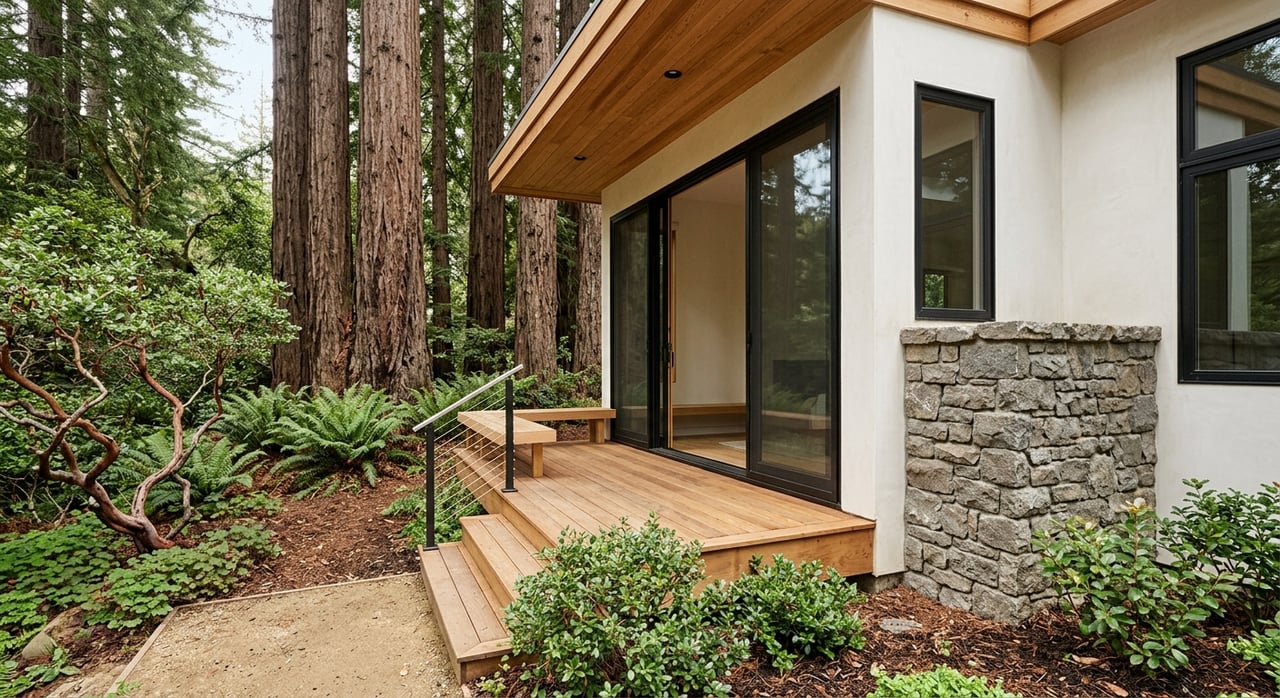
Dreaming of a Big Sur retreat is easy. Owning one is where the real questions begin. If you are thinking about buying a place along this dramatic stretch of coast, you need more than a love of ocean views and privacy. You need a clear understanding of access, permitting, water, septic, wildfire risk, and day-to-day logistics. The good news is that with the right due diligence, you can make a more confident decision. Let’s dive in.
Big Sur ownership starts with place
Big Sur is not just a scenic backdrop. It is a highly regulated, environmentally sensitive coastal area in Monterey County, stretching from the Carmel River to the county’s southern boundary. County planning materials also note that about half of the coastal zone is in public ownership, while many private properties are subject to scenic easements or deed restrictions.
That matters because ownership here comes with a stewardship mindset. The county treats scenery and visual character as core resources, and future development that is visible from Highway 1 or major public viewing areas is meant to be avoided. If you are buying a retreat in Big Sur, you are not only buying land or a home. You are stepping into a place where preservation strongly shapes what is possible.
Highway 1 shapes daily life
In Big Sur, Highway 1 is more than a road. It is the area’s main lifeline. The county’s Big Sur Coast plan preserves it as a scenic two-lane route and prioritizes recreation and visitor-serving traffic, with summer peak use putting real strain on capacity.
You should also plan for changing access conditions. Caltrans has repeatedly documented closures and reopenings tied to landslides and winter storms near Big Sur. In practical terms, that means travel plans, contractor schedules, deliveries, and even emergency access can shift quickly.
Ask about recorded access
Before you buy, confirm the property has recorded legal access. You will also want to understand whether the driveway or private road system is adequate for emergency vehicles, since that can affect both safety and long-term usability.
Expect limited connectivity
State Parks says cell phone service is extremely limited in Big Sur. If you work remotely, rely on mobile service, or expect seamless communication, do not assume the property will support that lifestyle without careful verification.
Big Sur Station serves as an information hub and emergency coordination location, and the Monterey County Sheriff’s Coastal Patrol Station covers Big Sur and nearby coastal communities. Those local resources are important, but they do not change the fact that this is a remote area where self-sufficiency matters.
Water and septic can make or break a property
In many markets, buyers focus first on square footage or finishes. In Big Sur, site feasibility often comes first. Monterey County Environmental Health reviews single-family dwelling and subdivision proposals for adequate water supply and wastewater disposal feasibility, and it approves onsite wastewater treatment system permits.
That means your dream retreat may depend on basic infrastructure questions that are not always obvious at first glance. A beautiful parcel is not automatically a buildable or easily improved parcel.
Verify the water source early
One of the most important questions is simple: what is the actual water source? The Big Sur Coast plan says applicants may need seasonal water testing, and water-rights or permit review may be required for off-parcel sources.
You should ask whether the water supply has been tested during dry-season conditions. A source that seems adequate at one time of year may look very different later on.
Understand aquifer and watershed limits
Current coastal policies are conservative. Development can be blocked if it would exceed the safe long-term yield of the local aquifer, and the county discourages interbasin water transfers. New wells or expanded water systems in sensitive watersheds also require permits.
For buyers, this means water is not just a utility issue. It is a core entitlement issue that can shape whether a property can be used, expanded, or improved the way you hope.
Septic feasibility is critical
Septic is another major checkpoint. Septic systems are not allowed where they would harm public health or sensitive resources, including on slopes over 30%.
If you are evaluating vacant land, an older cabin, or a property with plans for expansion, you need to know whether the parcel can support wastewater disposal under current standards. Without that clarity, renovation or development plans can stall quickly.
Building in Big Sur requires patience
Big Sur is not a place where you should assume simple projects stay simple. Monterey County says Big Sur parcels are in Design Control areas, which means Design Approval can apply to new structures, additions, decks, fences, and even exterior color changes.
So if you are picturing a light remodel, a larger outdoor living area, or a fresh exterior update, review needs may be broader than you expect. The county also requires complete site plans, construction drawings, structural calculations, Title 24 energy calculations, and geotechnical reports for typical residential submittals.
Permitting is multi-step
A permit is not finalized until Planning, Health, Fire, and Building approvals are complete. County building inspections for the south coast are also performed in the Big Sur area south of Pfeiffer Canyon Bridge.
That layered review process is one reason experienced local guidance matters. Even when a property already has improvements, you should confirm what approvals exist and what future work may trigger fresh review.
Review existing approvals before closing
Ask which design approvals or coastal permits already exist for the property. If prior approvals are in place, they may help you understand what has already been vetted and what still needs investigation.
If no clear record is available, treat that as a signal to slow down and verify. In Big Sur, assumptions can be expensive.
Seasonal conditions change the experience
Part of Big Sur’s appeal is its access to beaches, tidepools, hiking, backpacking, and state park land. The outdoor setting is a big reason many buyers want a retreat here in the first place.
But seasonality changes the picture. County policy recognizes that access areas may need to close during extreme fire hazard or high seas, and the U.S. Forest Service says river crossings on the Pine Ridge Trail can become impossible after heavy rain.
You should think about how you plan to use the property across the full year, not only during calm summer weekends. Winter conditions, road impacts, and shifting recreation access can all affect the ownership experience.
Wildfire readiness is part of ownership
In Big Sur, wildfire planning is not optional. CAL FIRE’s fire-hazard system classifies areas as moderate, high, or very high hazard, and county guidance says owners in State Responsibility Areas or very-high Local Responsibility Area zones are responsible for defensible space.
That has practical implications for maintenance, budgeting, and preparedness. A retreat here may feel peaceful and secluded, but it also requires active attention to vegetation management and emergency planning.
Know the local emergency framework
The area’s emergency network includes the Big Sur Volunteer Fire Brigade and sheriff search-and-rescue support. Those resources are valuable, but buyers should still approach ownership with realistic expectations about remote response conditions.
If a property includes outdoor gathering areas, fire features, or nearby wild land, you should also understand local fire rules. State Parks limits campfires to designated rings, and the U.S. Forest Service requires a California Campfire Permit for open fires or small gas stoves on federally controlled land.
Do not assume vacation rental income
Many buyers see retreat ownership and immediately think about offsetting costs with short-term rentals. In Big Sur, that assumption needs careful review.
Monterey County’s vacation-rental guidance lists the Big Sur Coast Land Use Plan as prohibited for Commercial Vacation Rentals. That means you should not buy a retreat here assuming short-term rental income will be available without separate legal review of the property and its allowed uses.
This is one of the biggest financial reality checks for second-home buyers. If rental income is part of your plan, verify the rules before you make the purchase, not after.
Build your due diligence team early
Big Sur properties often require a more specialized pre-purchase process than homes in easier-to-service locations. County guidance points to several professionals who are often part of the early review process.
Your starting team may include:
- A permit technician
- An environmental health or onsite wastewater treatment consultant
- A geotechnical engineer
- An architect or structural engineer
- A contractor familiar with coastal Big Sur conditions
The goal is not to overcomplicate your search. It is to avoid surprises that can affect safety, cost, timing, and long-term enjoyment.
Key questions to ask before buying
If you are seriously considering a Big Sur retreat, keep these questions front and center:
- Is there recorded legal access to the property?
- Can the driveway or road system accommodate emergency vehicles?
- What is the water source, and has it been tested in dry-season conditions?
- Can the parcel support septic under current rules?
- Are there grading or slope constraints, especially on steeper areas?
- What design approvals, coastal permits, or prior entitlements already exist?
- What future changes might trigger county review?
- What local specialists should inspect the property before closing?
A retreat in Big Sur can be extraordinary, but it is rarely a plug-and-play purchase. The buyers who do best here are usually the ones who approach the process with equal parts inspiration and discipline.
If you are exploring coastal property on the Monterey Peninsula and want grounded, local guidance, Carmel Valley Realty Company offers the kind of high-touch advisory that helps you evaluate lifestyle, land, and long-term fit with clear eyes.
FAQs
What should buyers know about access for a Big Sur retreat?
- Highway 1 is the main route through Big Sur, and closures from storms or landslides can affect travel, deliveries, and emergency access. You should also confirm recorded legal access and whether the driveway or road can handle emergency vehicles.
What should buyers verify about water on a Big Sur property?
- You should identify the actual water source early and ask whether it has been tested during dry-season conditions. In some cases, seasonal testing and water-rights or permit review may also be needed.
What should buyers know about septic in Big Sur?
- Septic feasibility is a major issue in Big Sur because systems are not allowed where they would harm public health or sensitive resources, including on slopes over 30%. A parcel that looks appealing may still have important wastewater limits.
What should owners expect from Big Sur permitting?
- Monterey County says Big Sur parcels are in Design Control areas, so review can apply to new structures, additions, decks, fences, and even exterior color changes. Final permits generally require approval from Planning, Health, Fire, and Building.
What should buyers know about cell service in Big Sur?
- State Parks says cell phone service is extremely limited in Big Sur. If connectivity matters for work or daily life, you should verify service options directly rather than assume they are available.
What should buyers know about wildfire planning in Big Sur?
- Wildfire readiness is part of ownership because hazard levels can be moderate, high, or very high, and some owners are responsible for defensible space. You should factor vegetation management and emergency planning into the true cost of ownership.
What should buyers know about vacation rentals in Big Sur?
- Monterey County’s guidance lists the Big Sur Coast Land Use Plan as prohibited for Commercial Vacation Rentals. You should not assume a retreat can produce short-term rental income without a separate legal review.