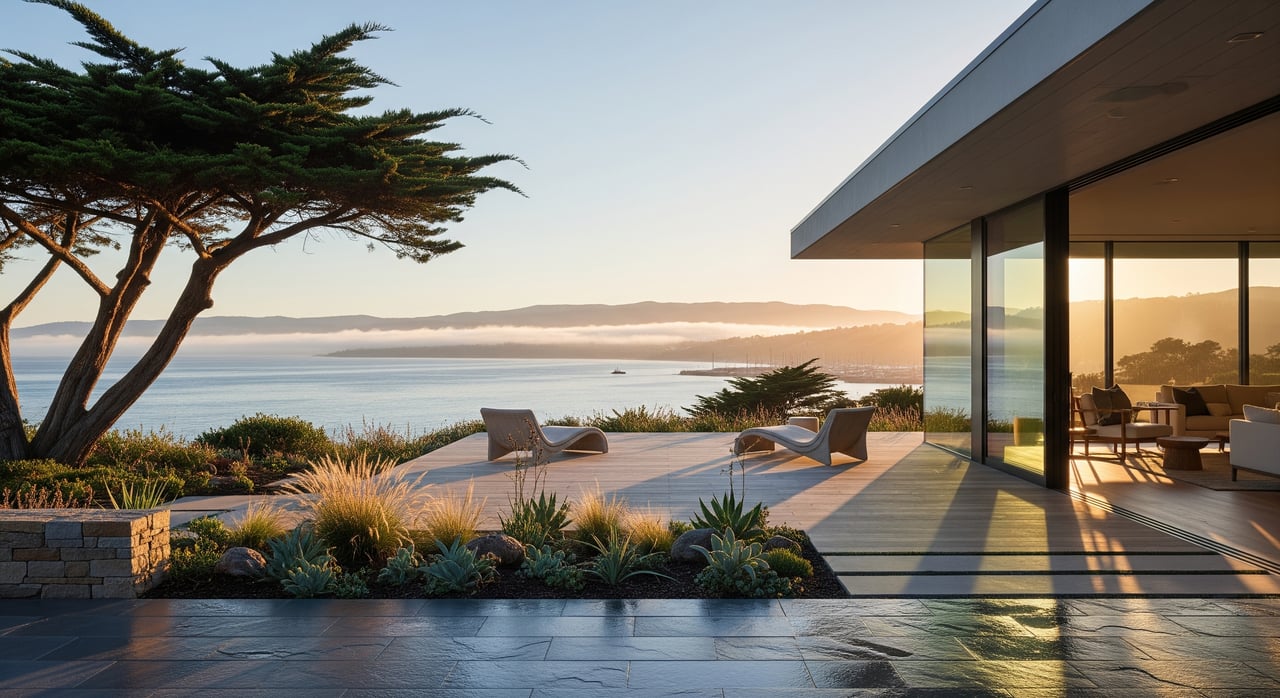
You can drive ten minutes in Monterey and go from sweater weather to sunhat weather. If you’re planning a move, those small shifts in fog, wind, and sun can shape your daily life, your home’s upkeep, and even your garden. In this guide, you’ll learn why microclimates happen here, what to expect by neighborhood, and how to evaluate a property with climate in mind. Let’s dive in.
Why Monterey has microclimates
Monterey sits along the cold California Current, where coastal upwelling chills surface waters. That cool ocean helps build the low cloud deck you see on summer mornings and keeps the coast mild year-round. For a deeper look at the ocean driver behind our weather, review NOAA Fisheries’ overview of the California Current ecosystem.
Local topography matters too. Hills, coves, and inland valleys shape where the marine layer goes and how wind funnels through the day. Sheltered spots just a few blocks inland can feel warmer and calmer than exposed headlands.
Sea breeze also plays a role. On many afternoons, onshore wind picks up at exposed points, beaches, and harbor areas. The National Weather Service posts local marine updates on its Monterey Bay marine forecast, and their JetStream module explains how fog forms in simple terms.
What to expect by neighborhood
Each area below has its own rhythm. Use these notes as a starting point, then test conditions on-site during tours.
Monterey (Old Monterey, Cannery Row, Del Monte)
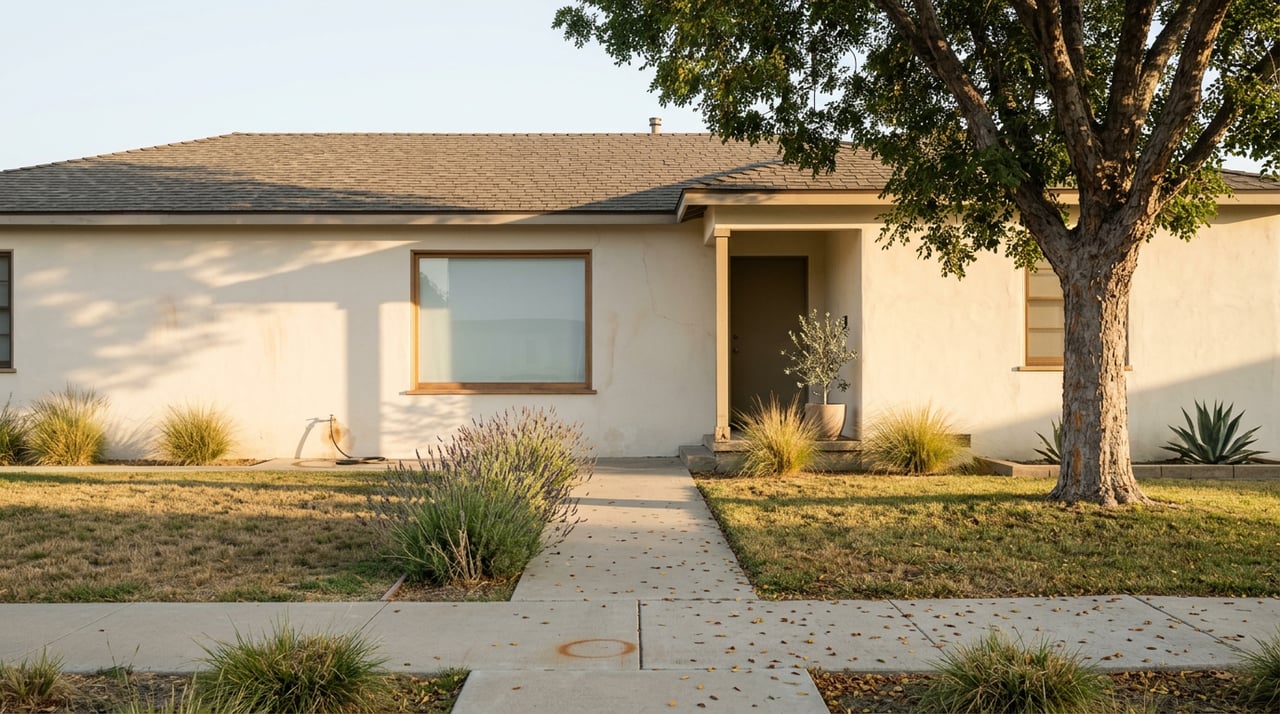
Coastal Monterey often sees a morning marine layer in late spring through early fall, with mild temperatures year-round. Wind is moderate, stronger on headlands and near the harbor, and lighter on sheltered inland blocks. For outdoor living, patios that capture midday sun and block the onshore breeze tend to feel best. Owners should monitor salt spray on metals and watch for moisture-related paint and wood wear.
Pacific Grove and Asilomar
This is among the coolest, foggiest, and breeziest stretches on the peninsula, especially at exposed points near Asilomar. Comfortable outdoor time is shorter without wind or sun mitigation, though many residents embrace coastal walks when the fog rolls in. Hardy, salt-tolerant landscaping helps, and wind screens or recessed courtyards can create cozy nooks.
Carmel-by-the-Sea and Carmel Highlands
A few blocks or a change in slope can make a big difference here. Oceanfront sites pick up fog and wind, while uphill or south-facing pockets warm quickly and see more sun. South-facing terraces and sheltered patios act as reliable sun traps. On seaward bluffs, plan for corrosion resistance and keep an eye on erosion and drainage.
Pebble Beach and Del Monte Forest
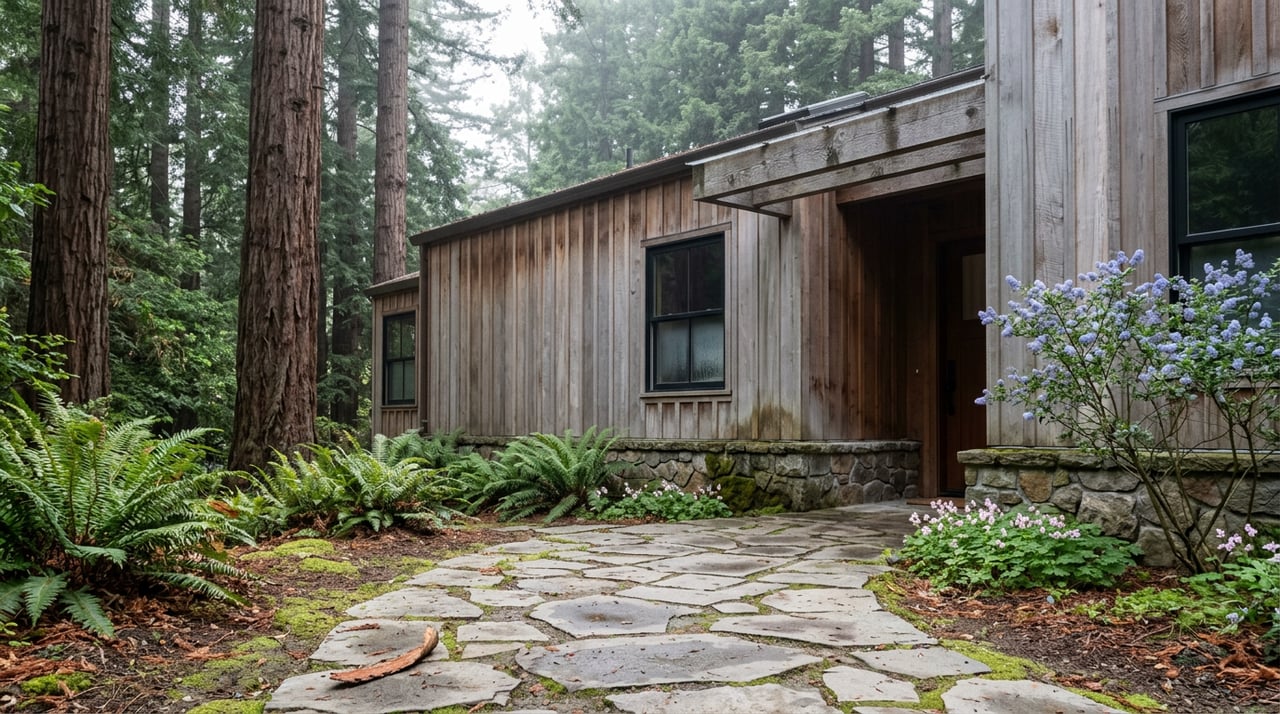
Expect variety across short distances. Coastal holes and headlands feel cool, foggy, and windy, while interior forested areas and sheltered coves often run calmer and sunnier. Trees buffer wind and sun but can shade structures and create damp, moss-prone zones. Regular gutter cleaning and thoughtful pruning help keep moisture in check.
Seaside and Marina
Lower elevation and an open coastline mean more wind and fog than sheltered pockets, with cooler conditions than inland. Salt air can accelerate wear on exterior metals and finishes. Wind breaks, corrosion-resistant hardware, and durable paints pay off here.
Carmel Valley and inland valleys
Move inland and you’ll notice more sun and warmer afternoons, with larger daily and seasonal temperature swings. Many buyers love the longer outdoor season for gardening and al fresco dining. Shade structures and UV protection are key, and drought-tolerant landscaping with smart irrigation planning is a smart choice.
Salinas and the Salinas Valley
Summers are sunnier and warmer with bigger temperature ranges than the coast, though areas near the valley mouth still feel some marine influence. Outdoor seasons are long, and landscaping options widen, but water use should be planned with care. Expect less salt corrosion but more sun exposure on finishes.
How microclimate should guide your home search
Orientation and layout
Home orientation sets the tone for everyday comfort. South and southwest exposures usually receive the most sun and warmth, while west-facing windows can bring pleasant late-day light or pick up a cooling breeze, depending on distance to the shore. Compact, well-insulated designs perform well in foggy zones, reducing condensation and heating needs.
Outdoor living design
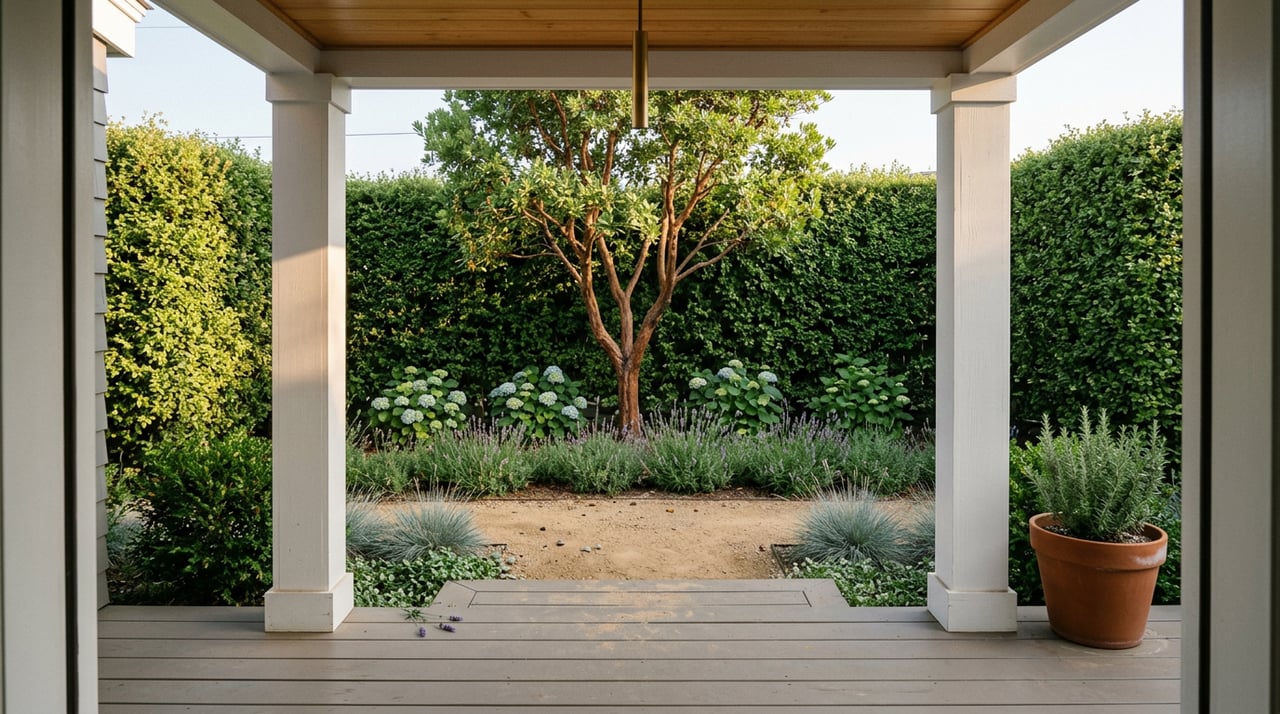
On exposed sites, create wind protection with vegetation, fencing, or screens, and consider recessed terraces. Pergolas with adjustable fabric or screens help manage both sun and wind. On fog-prone mornings, plan outdoor spaces to catch midday sun, when the marine layer often thins a bit inland or at slight elevation.
Materials and maintenance
Close to the ocean, salt accelerates corrosion on metals like railings, fasteners, and HVAC housings. Expect more frequent repainting and replacement of exposed hardware. Fog and persistent dampness can foster moss, mildew, and wood rot on shaded sides of buildings. Good flashing, weather-tight windows, and proper ventilation reduce risk. Corrosion-resistant gutters, flashing, and hardware are smart upgrades, while rot-resistant decking or well-sealed composites hold up better in coastal microclimates.
Energy and indoor comfort
Coastal homes usually need less cooling but steady, light heating for cool mornings and evenings. Inland homes benefit from more cooling capacity. Heat pumps are effective across many Monterey-area microclimates, as long as sizing and controls match the site’s sun and wind exposure. Continuous or balanced ventilation helps manage humidity and cut condensation in foggy zones.
A smart touring checklist
Use this list during tours and before writing an offer:
- Visit at different times. See the property morning, midday, and late afternoon. If possible, compare a cool, foggy morning with a clear day.
- Ask for utility and maintenance records. Review heating and cooling use, painting and roof schedules, HVAC replacement dates, and any mold or rot remediation.
- Walk the landscaping and drainage. Look for wind-battered plants, sun stress, or frost pockets. Confirm grading, downspouts, and drainage keep water away from the foundation.
- Inspect exterior finishes and hardware. Check for blistering paint, rust on railings or fasteners, and UV wear on decks and furniture. Operate windows and sliders to confirm seals and hardware are in good condition.
- Check roof and attic for moisture. Scan for moss, algae, or dark staining on roof surfaces. In the attic, look for adequate ventilation and insulation and any signs of condensation or mildew.
- Ask neighbors or the HOA about patterns. Which patios get the most sun? Which sides get the afternoon breeze?
- Request a microclimate-focused inspection scope. Include mold and moisture assessment, corrosion checks on mechanicals, and a close look at roof and flashing for wind and salt exposure.
- Evaluate outdoor-use areas. Are dining patios protected? Do trees shade the home for comfort or create persistent dampness near walls?
- Review local hazard maps and rules if near the coast. For oceanfront or bluff-top homes, check erosion advisories and setback guidance. For low-lying sites, review flood mapping.
When data helps: simple resources to check
If you want a data cross-check, these sources are useful:
- NOAA’s climate normals for Monterey-area stations provide long-term averages you can compare to onsite impressions. Start with the U.S. Climate Normals portal.
- The National Weather Service posts the Monterey Bay marine forecast, which hints at onshore wind timing and strength.
- PRISM and WRCC host regional climate maps and station data that show how temperature and fog patterns vary across short distances. Explore the PRISM Climate Group maps.
- For landscaping choices, the USDA Plant Hardiness Zone Map and the UC Cooperative Extension Monterey County site offer plant and water guidance.
- For coastal setbacks, erosion, and flood-zone context, review Monterey County Planning Services resources and request site-specific guidance during due diligence.
Coastal vs. valley living: quick trade-offs
- Coastal comfort. Cooler days, milder winters, and iconic ocean views. Expect more fog and wind at times, with higher maintenance for exterior metals and finishes.
- Inland sunshine. Longer outdoor seasons and warmer afternoons. Plan for shade, UV protection, and water-wise landscaping.
- In-between pockets. Slight elevation or south-facing slopes near the coast can blend sun access with marine moderation. A few blocks can make a meaningful difference.
The bottom line
In Monterey, microclimates shape how you live at home. A patio that basks in afternoon sun, a wind-sheltered courtyard, or a corrosion-resistant exterior can matter as much as square footage. When you tour, test the light, the breeze, and the feel of each space throughout the day.
If you want local guidance that blends neighborhood nuance with property savvy, our team is here to help you match lifestyle with location. Reach out to Carmel Valley Realty Company to compare coastal and valley options, plan a microclimate-focused tour, or request a tailored valuation.
FAQs
Will a coastal Monterey home feel comfortable year-round?
- Many buyers find the coast very comfortable, with mild temperatures. Expect cool, foggy mornings at times. Look for sun-trap patios and sheltered outdoor rooms to extend your use.
How much extra maintenance comes with oceanfront living in Monterey?
- Plan on more frequent repainting, faster wear on exterior metals, and periodic replacement of exposed mechanical equipment. The rate depends on proximity to surf and wind exposure.
Do I need special windows or HVAC for foggy areas?
- Quality window seals and corrosion-resistant hardware help. Heat pumps work well across the peninsula. Good ventilation and humidity control reduce condensation and mold risk.
Can I grow a garden on a foggy lot near the coast?
- Yes. Choose shade- and moisture-tolerant species and adjust expectations. The UC Cooperative Extension offers guidance on plant selection suited to local conditions.
Should I avoid bluff-top or oceanfront properties because of erosion?
- Not necessarily. Request geological and setback information and review local coastal regulations. Include erosion and drainage in your inspections and due diligence.