Trying to pick the best month to list your Pacific Grove home? Timing matters on the Monterey Peninsula, where buyer demand, inventory, and even ocean-side curb appeal shift with the seasons. You want a fast sale and strong price without leaving money on the table.
In this guide, you’ll learn when demand typically peaks in Pacific Grove, how to read the market using a few simple metrics, and how to prepare your home on a realistic 90 to 120‑day timeline. You’ll also get a practical checklist tailored to local coastal homes and pricing tips that fit each season. Let’s dive in.
Best months to list
If you want the largest buyer pool and faster listing velocity, the spring window is your best bet. In Pacific Grove, listing in late February through April positions you to capture peak search activity in March through May. More daylight, better weather, and a focus on moving before summer tend to bring motivated buyers to the table.
Summer can also perform well, especially for buyers who plan to move immediately after the school year or those shopping for a second home near the coast. Inventory sometimes rises in summer, which can reduce pressure on prices. This does not mean summer is bad for sellers, but it does make strategic pricing and standout presentation more important.
Fall usually brings softer demand than spring and summer. Local events and tourism, including the seasonal Monarch butterfly migration, increase visibility but do not typically create sustained buyer demand. Fall can still work for well-prepared listings and motivated buyers.
Winter has the lowest overall buyer traffic, yet it can help if you face limited competition. Serious buyers still look during the holidays. If you go to market in winter, plan for longer days on market and set expectations accordingly.
Seasonality is a guide, not a guarantee. Mortgage rates, local inventory, and broader economic shifts can move the goalposts. Before you choose a date, review current Pacific Grove statistics so your timing reflects the market you are entering this year.
Track key market metrics
A few simple metrics can help you decide when to list and how to price.
- Days on Market (DOM): Average time from list to contract. Falling DOM suggests stronger demand and can support more confident pricing.
- Months of Inventory: Active listings divided by the last month’s closed sales. Under about four months often signals a seller’s market, four to six months is more balanced, and over six months leans buyer friendly.
- Median Sale Price and Price per Square Foot: Month-to-month trends help you spot seasonal peaks and outliers.
- List-to-Sale Price Ratio: How close sales are to the asking price. Ratios near or above 98 to 100 percent indicate strong negotiation conditions for sellers.
How to use them:
- Pull a rolling 12‑month view and compare it to the last three years by month. You want to see where this year is tracking versus typical seasonality.
- Watch a recent trend line, such as a 4 to 6‑week snapshot or a 3‑month moving average. Falling DOM with tightening inventory means improving leverage for sellers. Rising DOM with growing inventory means you should be more cautious.
- Compare Pacific Grove to nearby markets such as Monterey, Carmel, and Seaside, along with Monterey County overall. Pacific Grove is a small market, so month-to-month swings can be noisy.
Local sources to request from your agent include the Monterey County MLS, Monterey County Association of REALTORS reports, and California Association of REALTORS benchmarks. Consumer-facing charts can provide quick context, but confirm details with the local MLS for accuracy.
Spring prep timeline
If your target is an early March or April list date, work backward 90 to 120 days to prepare.
90–120 days out: plan and repair
- Request a current market analysis and a competitive set for your home.
- Start major repairs early, including roofing work, termite or wood-destroying organism treatment, paint, and any permitted projects.
- If you plan to stage, consult with a stager now to secure dates and align your style with likely buyers.
45–60 days out: polish and stage
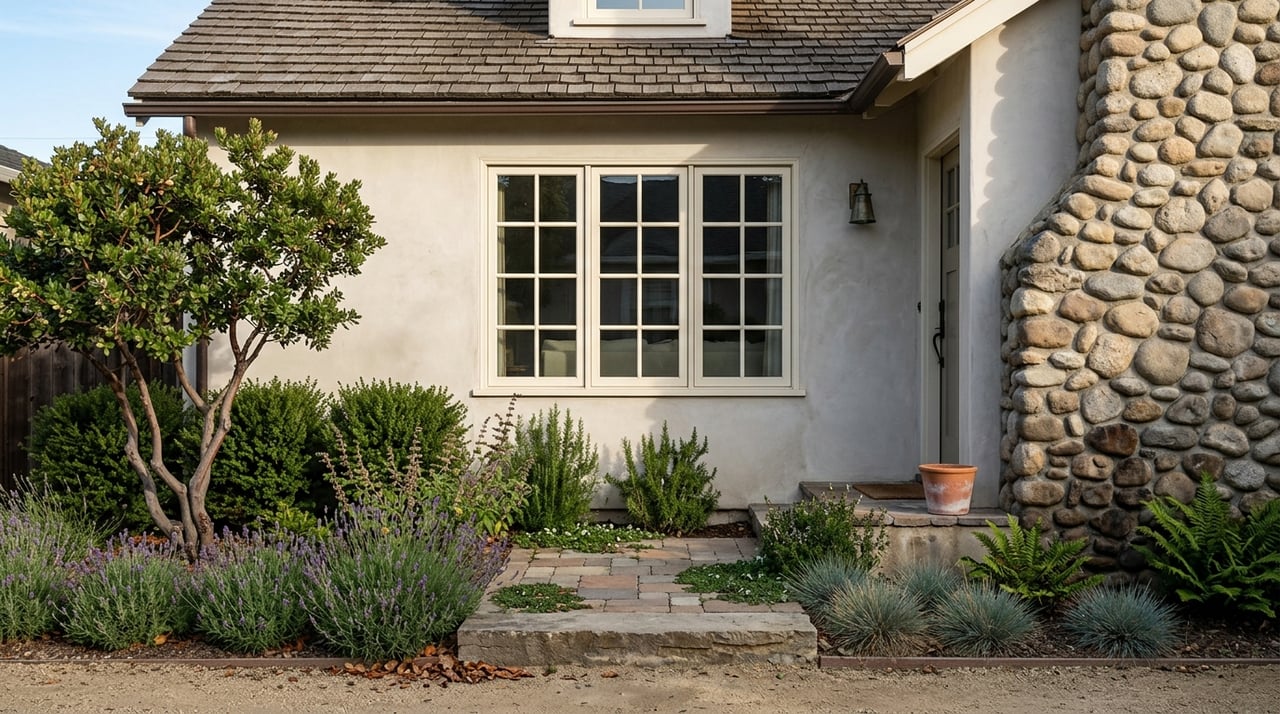
- Declutter, deep clean, and refresh landscaping suited to coastal conditions. Salt-tolerant plants and simple, tidy beds photograph well.
- Schedule professional photography and video. Drone and twilight images can showcase coastline proximity and evening light.
- Consider pre-list inspections for roof, plumbing, and termite if you expect issues. Pre-inspections reduce friction and can support pricing.
14–21 days out: finalize your package
- Craft a listing description that highlights walkability, shoreline access, views, and nearby amenities such as Asilomar and Monarch Grove. If schools matter to your buyers, reference proximity to local schools in a neutral way.
- Prepare your California disclosure packet, including Transfer Disclosure Statement, Natural Hazard Disclosure, and any required lead-based paint forms for pre-1978 homes. Ensure smoke and carbon monoxide detectors meet code.
- Confirm HOA and any local forms if applicable. Schedule open house dates.
0–14 days: launch and show
- Run a soft preview to agents and set a broker tour.
- Plan open houses around peak weekend traffic, often Thursday through Sunday, to maximize exposure.
- Monitor early feedback and showing activity. Adjust tactics quickly if your first week misses expectations.
Seller checklist for Pacific Grove
Use this local-ready list to boost first impressions and reduce buyer objections.
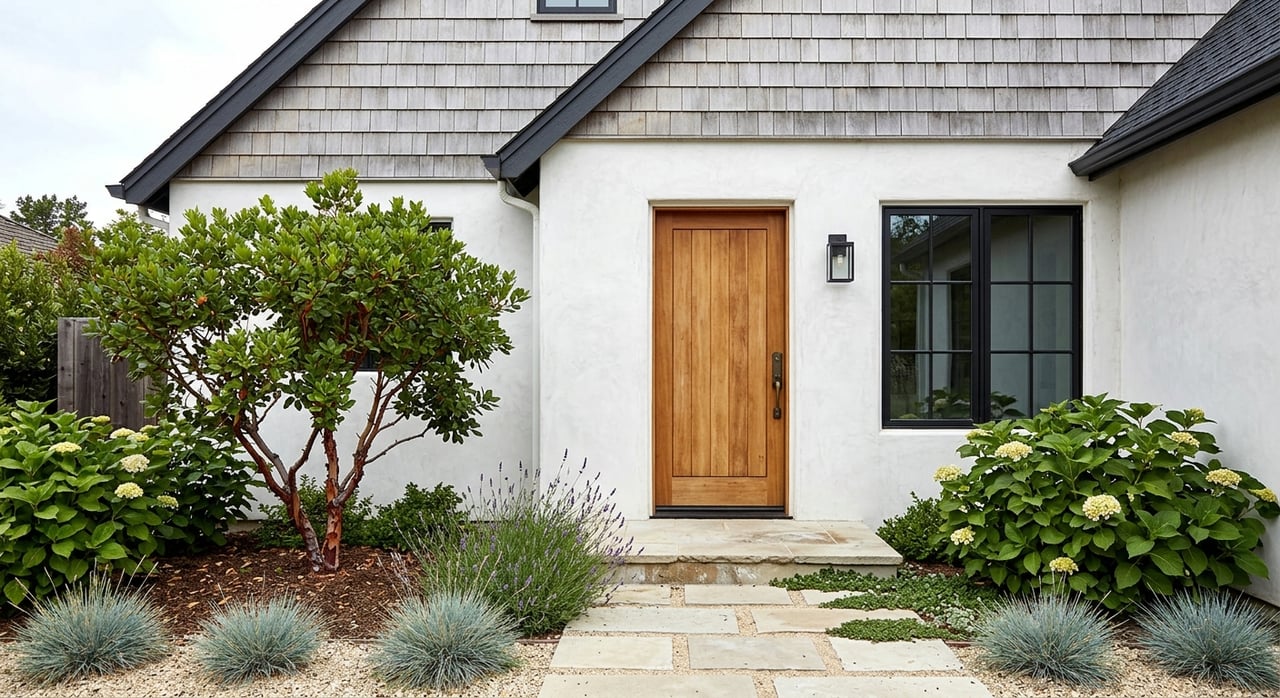
- Curb appeal: Replace exterior bulbs, clean salt residue, prune coastal plants, and check that walkways and stairs are safe and clean.
- Exterior maintenance: Address peeling paint and window issues caused by coastal humidity. Power wash walkways and siding.
- Interior refresh: Neutralize odors, repair water stains, polish hardware, and service HVAC or filters.
- Photo priorities: Emphasize ocean and coastline angles, walkability to downtown and shoreline, and the best light for each room. Include twilight shots when the sky and water pop.
- Disclosures and documentation: Assemble California-required disclosures and any City or County forms. Keep receipts and permits for recent work, and verify septic or sewer status if relevant.
- Local inspections: A termite or WDO report is common in coastal California. Getting ahead of it can prevent late surprises that derail negotiations.
Pricing and negotiation tips
Pricing is your most important marketing decision. Tie your strategy to timing and the type of property you have.
- Spring pricing: When buyer traffic is strongest, a price at or slightly below market can attract multiple offers and shorten time on market.
- Summer pricing: With more competing listings in some years, price in line with recent comps and emphasize your move-in timeline to attract buyers who want to settle before fall.
- Off-season pricing: If you must list in winter, consider incentives such as closing-date flexibility or rent-back options. Expect longer marketing periods to reach your target price.
- Unique homes: Properties with significant water views or historic character often live in a wider price band. Back up your pricing with strong marketing and a clear set of comparables.
- Rates and affordability: Rising mortgage rates reduce purchasing power. If rates jump quickly, keep pricing realistic and be ready to use terms, such as flexible closings or including certain appliances, to bridge the gap.
When summer works
Summer can be a strong window if your home has standout curb appeal, outdoor living space, or vacation-style amenities. Buyers who plan to move right after the school year often act quickly. Second-home shoppers also tend to be active during longer daylight months. If inventory rises, make your home the one that photographs best and shows cleanly on the first visit.
Winter and fall options
Fall typically brings fewer active buyers than spring and summer. It can still deliver if you price smartly and present a turnkey product. Local tourism and seasonal events boost foot traffic but are not a substitute for strong condition and competitive pricing.
Winter has the lowest traffic overall, yet the lack of competing listings can help you stand out. Be prepared for longer DOM and plan showings around weather. Quality photos, accurate disclosures, and clear terms become even more important.
Policy notes for investors
If you expect investor interest, verify local permitting and short-term rental rules with the City of Pacific Grove before promoting any rental income potential. Regulations can change, and clarity upfront builds trust and reduces risk later in escrow.
Avoid timing pitfalls
- Relying on one month of data: Pacific Grove is a small market, so a single month can be noisy. Use rolling averages and multi-year comparisons.
- Ignoring inventory: If months of inventory is rising while DOM climbs, consider a sharper price or stronger staging to stay competitive.
- Waiting too long: If you see momentum building, do not be afraid to list earlier than the usual spring window.
- Overstating amenities: Keep language about schools neutral and focus on proximity and walkability. Stick to facts and let buyers draw their own conclusions.
Work with a local advisor
Selling in Pacific Grove is as much about timing as it is about storytelling. You want a boutique team that knows the Monterey Peninsula, understands how ocean, village, and lifestyle details drive value, and can move quickly when the market turns. Our team pairs local market analysis with curated marketing, from pre-list inspections and polished disclosures to coastal photography that highlights what buyers value most.
If you are thinking about a spring or summer sale, start planning now. A 90 to 120‑day runway lets you fix what matters, gather documents, and price for the right window. When you are ready, connect with Carmel Valley Realty Company to discuss timing, request a home valuation, and craft a strategy that fits your goals.
FAQs
What is the best month to sell a home in Pacific Grove?
- Late February through April is often the strongest window for buyer activity and faster sales, but confirm the current year’s inventory and DOM before you choose a date.
How far in advance should I prepare to sell in Pacific Grove?
- Start planning 3 to 4 months ahead, complete major repairs early, and have staging and photography lined up 2 to 6 weeks before you go live.
Do summer buyers in Pacific Grove pay as much as spring buyers?
- Summer buyers can be highly motivated, including second-home shoppers, but final prices depend on current months of inventory, DOM, and list-to-sale trends.
Do local events or tourism boost home prices in Pacific Grove?
- Seasonal events increase visibility, but they rarely change long-term demand; focus on pricing, presentation, and accurate disclosures for the best results.
How do mortgage rates affect the timing of my Pacific Grove sale?
- Rising rates reduce affordability and may temper prices; if rates move up quickly, use realistic pricing and flexible terms to keep buyers engaged.