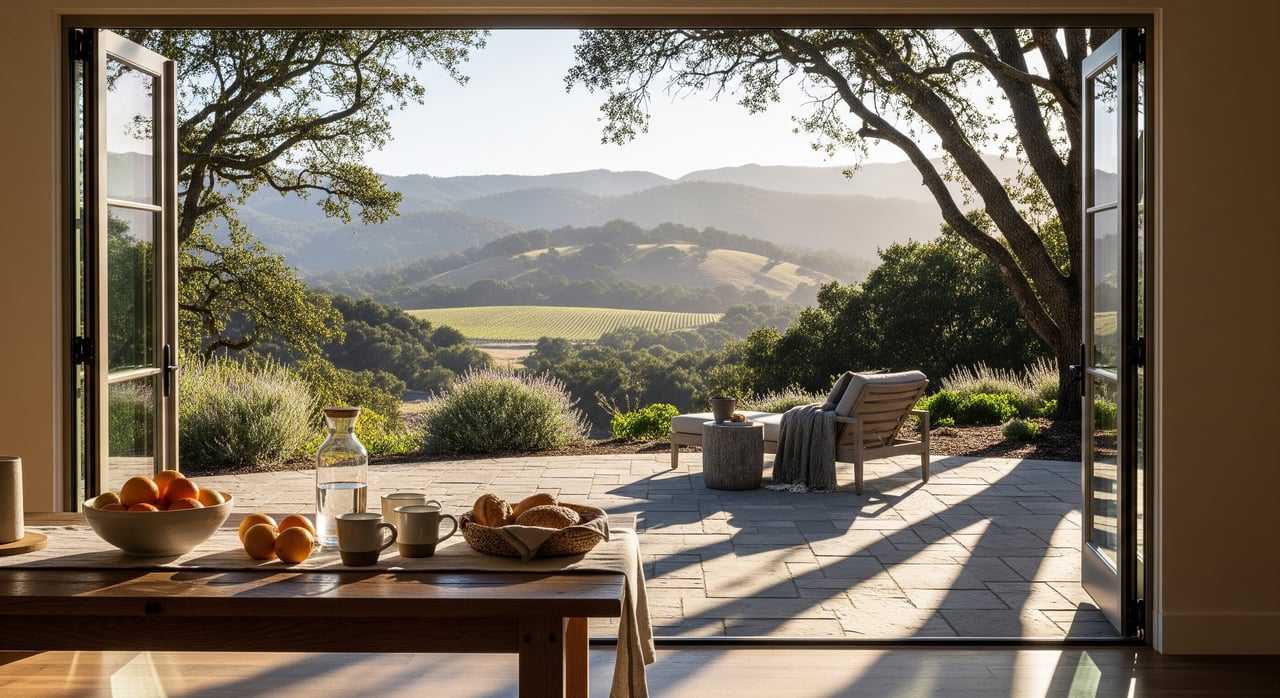
What does a normal Tuesday feel like in Carmel Valley Village? Picture warm sun on oak-covered hills, a quiet main street, and neighbors chatting over coffee before a late-afternoon trail walk. If you want small-town rhythm with wine-country energy, this village delivers. In this guide, you’ll learn how daily life flows here, what amenities you can expect, and the practical details that shape living in an inland valley community. Let’s dive in.
Village vibe and setting
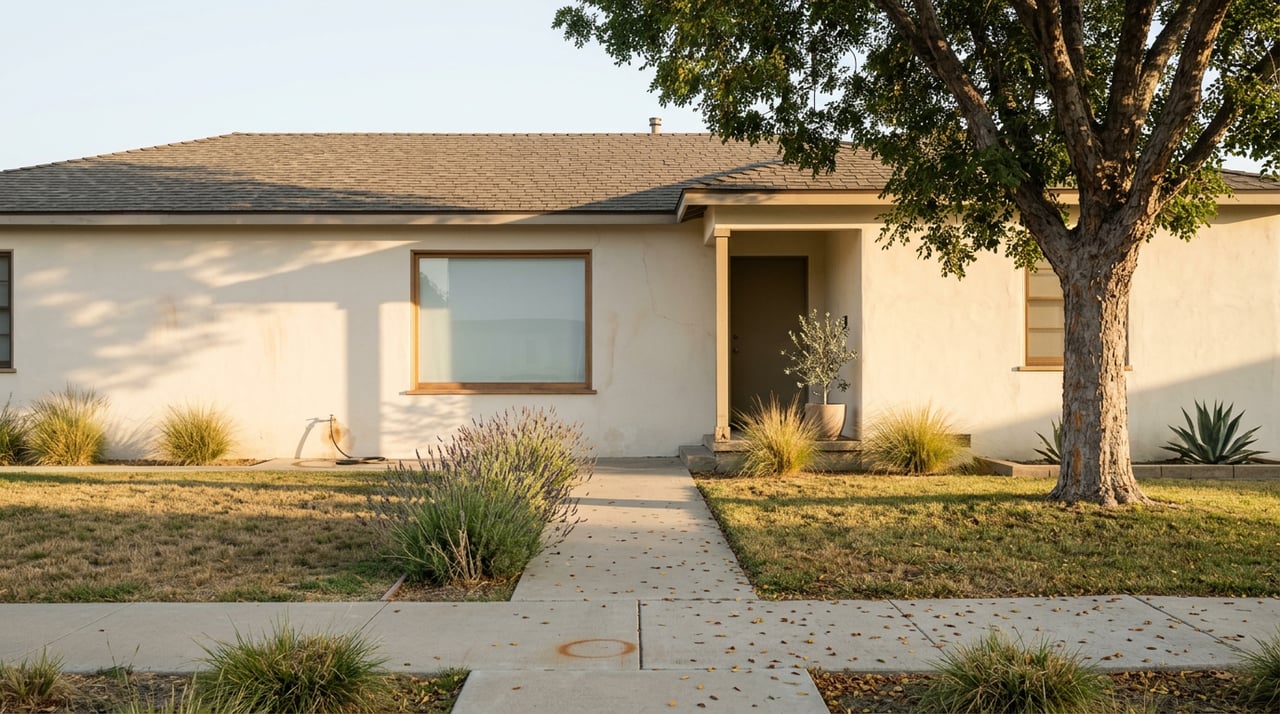
Carmel Valley Village sits along Carmel Valley Road, surrounded by oak-studded hills, vineyards, and rangeland. The village core is compact, with tasting rooms, cafes, restaurants, and small shops that serve both locals and visitors. You get a quieter, more rural feel than the Monterey Peninsula’s coastal towns, with more space between homes and a strong sense of place.
Weekdays are relaxed. You see people walking dogs, tending gardens, and running light errands. On weekends, energy picks up as day-trippers arrive for wine tasting and outdoor time. That balance makes the area appealing for both full-time residents and second-home owners who enjoy low-key weekdays and lively weekends.
Climate and seasons
The climate is Mediterranean-type, generally warmer and sunnier than the coast, with less marine fog. Summer days are dry and warm, with cooler nights; winters bring most of the annual rain. Spring and fall are favorites for outdoor time, thanks to mild temperatures and vineyard color.
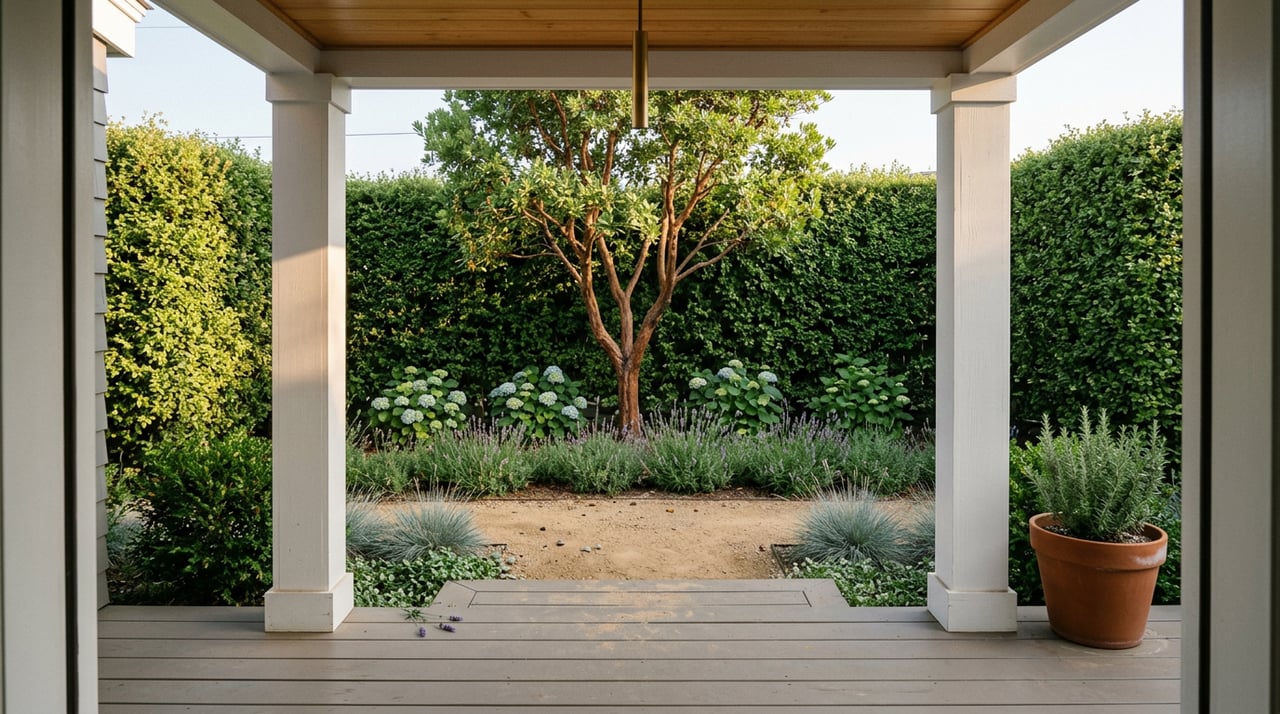
Like many parts of Monterey County, Carmel Valley is mindful of drought and wildfire risk. Homeowners often focus on defensible-space landscaping, thoughtful water use, and insurance that fits the local environment. If you are considering a move, plan for seasonal yard maintenance and readiness as part of everyday home care.
Weekday vs. weekend life
On weekdays, the village feels calm and neighborly. Parking is easy, trails are open, and restaurants are relaxed. You may find yourself making short drives for errands and enjoying quiet evenings on the patio.
Weekends bring a friendly buzz. Tasting rooms and patios get busy, and small events or pop-ups often add color to the village. Many residents time errands earlier in the day and plan wine tasting or dining during off-peak hours. It is a rhythm that lets you enjoy both solitude and social time.
Everyday amenities and dining
Groceries and errands
You can handle most simple errands in the village core, which is walkable at a small scale. Expect convenience services, a hardware store option, and everyday essentials, though larger shopping trips may take you to nearby towns. Medical and specialized services are often more robust in Monterey or Salinas, so plan occasional trips when you need full-service care.
Dining and wine culture
Wine is woven into daily life. You’ll find tasting rooms, small-production wineries, and wine bars that showcase local varietals. Dining ranges from farm-to-table restaurants to casual cafes and family-friendly options. Weekends tend to be busier, so weekday lunches or early dinners can be a great fit if you like a quieter scene.
Markets and small events
Community life often includes farmers markets, gallery openings, and seasonal fairs. Local organizations and school groups host holiday events or summer concerts that bring neighbors together. It is easy to stay local for entertainment without driving to the coast.
Outdoor life and trails
Trails and open space
Outdoor recreation is part of everyday living. You’ll find local trail networks, ridge hikes, and rural roads for walking, running, and mountain biking. Some trails cross public and private lands, so always confirm access before you head out.
Equestrian and golf
Equestrian use is common in parts of the valley, with ranch properties, barns, and boarding options supporting horse owners. Larger golf and country-club facilities are available around the Monterey Peninsula and are usually a short drive away. Many residents mix inland routines during the week with occasional coastal tee times.
Day trips and seasons
You are within easy driving reach of beaches, cultural attractions on the Peninsula, and scenic Big Sur drives. Spring and fall are ideal for full days outside. Summer is warm, so many residents prefer early-morning hikes or evening walks, then choose shaded patios in the afternoon.
Homes, utilities, and commuting
Property types and feel
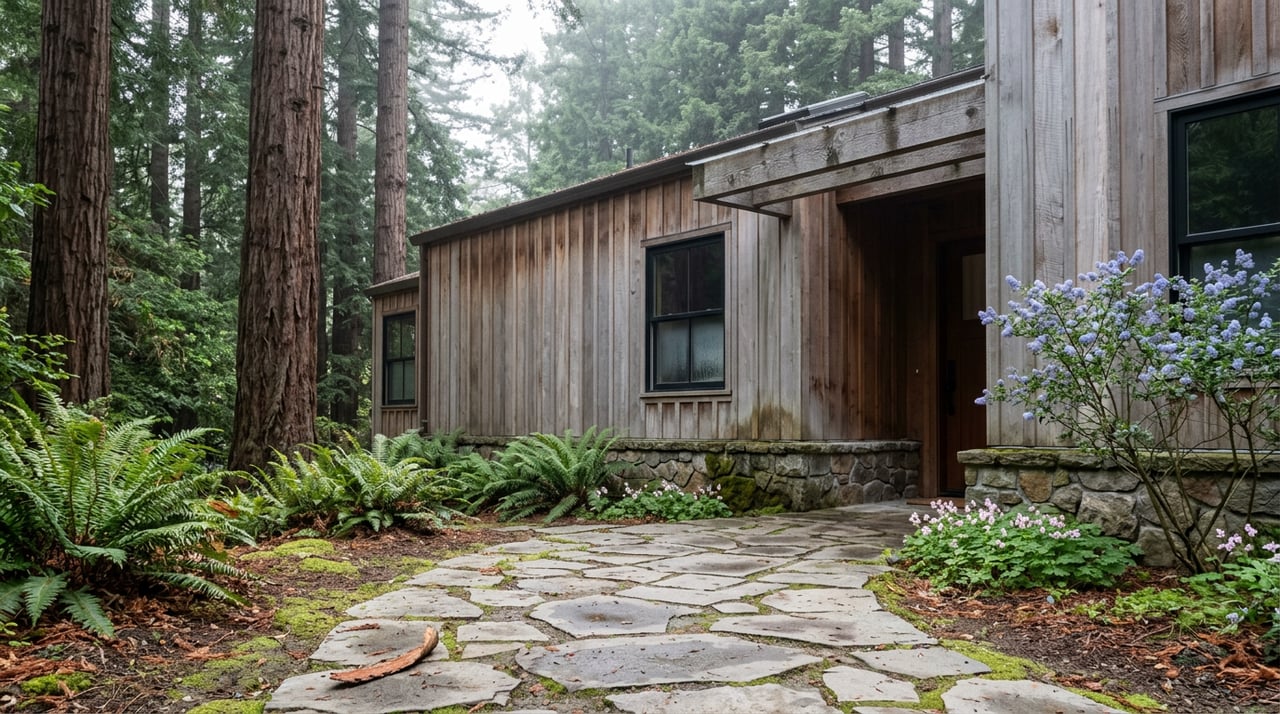
Housing often leans rural: single-family homes, ranch properties, small estates, and vineyard parcels. Architectural styles vary, and many homes prioritize privacy, views, and outdoor space over dense, walkable blocks. If you value acreage and a quiet setting, you will feel at home here.
Water, wastewater, and internet
Properties can be served by public water districts or private wells. Wastewater may be handled by septic systems in some areas, while others have sewer service. Internet and cell coverage can vary in rural valleys, so check provider options and speeds for any property you consider. If you work from home, verify service early in your search.
Driving and transit
Daily life is largely car-dependent. Commuting to employment centers on the Peninsula or in Salinas means using local two-lane roads, with timing influenced by visitor seasons and events. Public transit exists in the county, but routes and frequency in rural areas are limited, so most residents plan on driving for work and errands.
Costs and risk considerations
Carmel Valley’s desirability places it above national averages for housing costs. Market conditions change, so work with a local expert to understand current pricing, taxes, and holding costs for the type of property you want. Second-home ownership is common, which contributes to the quieter weekday pace.
Wildfire, flood considerations in creek corridors, and drought awareness shape everyday planning. Many homeowners budget for defensible-space work, seasonal maintenance, and insurance tailored to local conditions. These steps become routine parts of living in a beautiful inland valley.
Coastal towns vs. the valley
Carmel Valley Village and the nearby coastal towns offer very different daily experiences. The valley is warmer, sunnier, and less fog-prone, with vineyard views and oak hills instead of ocean vistas. The pace is more rural and spacious, while the coast offers denser retail clusters and more pedestrian tourism.
You will likely drive to the Peninsula for cultural institutions, hospitals, and specialty shopping. In return, you get bigger skies, more room to breathe, and a village rhythm that still connects you to regional amenities when you want them. Many residents appreciate having both worlds within a short drive.
Is Carmel Valley Village right for you?
If you love sunny afternoons, space to spread out, and a walkable village core for simple errands, Carmel Valley Village fits well. You will enjoy a relaxed weekday pace with lively weekends and easy access to trails and tasting rooms. Just plan for car-based living, variable internet by location, and routine preparedness for seasonal conditions.
Ready to explore homes, acreage, or a small vineyard parcel? Our boutique team pairs deep local knowledge with hands-on service. Connect with the locals at Carmel Valley Realty Company for guidance on residential, rural, or hospitality opportunities, and Request a Home Valuation to plan your next step with confidence.
FAQs
What is the weekday vs. weekend rhythm in Carmel Valley Village?
- Expect quieter weekdays for errands and trails, with busier weekends as visitors arrive for wine tasting and events.
How far is Carmel Valley Village from the coast and airports?
- Drive times vary by route, traffic, and season; plan for two-lane roads and occasional weekend congestion when heading to Carmel-by-the-Sea, Monterey, or regional airports.
What water and wastewater systems do homes use in Carmel Valley Village?
- Properties may have public water service or private wells, and wastewater may be on septic or sewer, so verify each home’s setup and costs during due diligence.
How reliable are internet and cell signals in Carmel Valley Village?
- Coverage can be variable in rural valleys; check provider options, fixed-wireless service, and property-level speeds before you purchase.
What should homeowners know about wildfire risk in Carmel Valley?
- Wildfire is a regional concern, so plan for defensible-space maintenance, seasonal readiness, and insurance that reflects local conditions.
Are there short-term rental or agricultural-use restrictions in Carmel Valley?
- Rules depend on Monterey County zoning and local ordinances; confirm property-specific allowances before buying.
What events and markets happen in Carmel Valley Village?
- You will often find farmers markets, pop-up tastings, gallery openings, and seasonal celebrations, with schedules set by local chambers and associations.