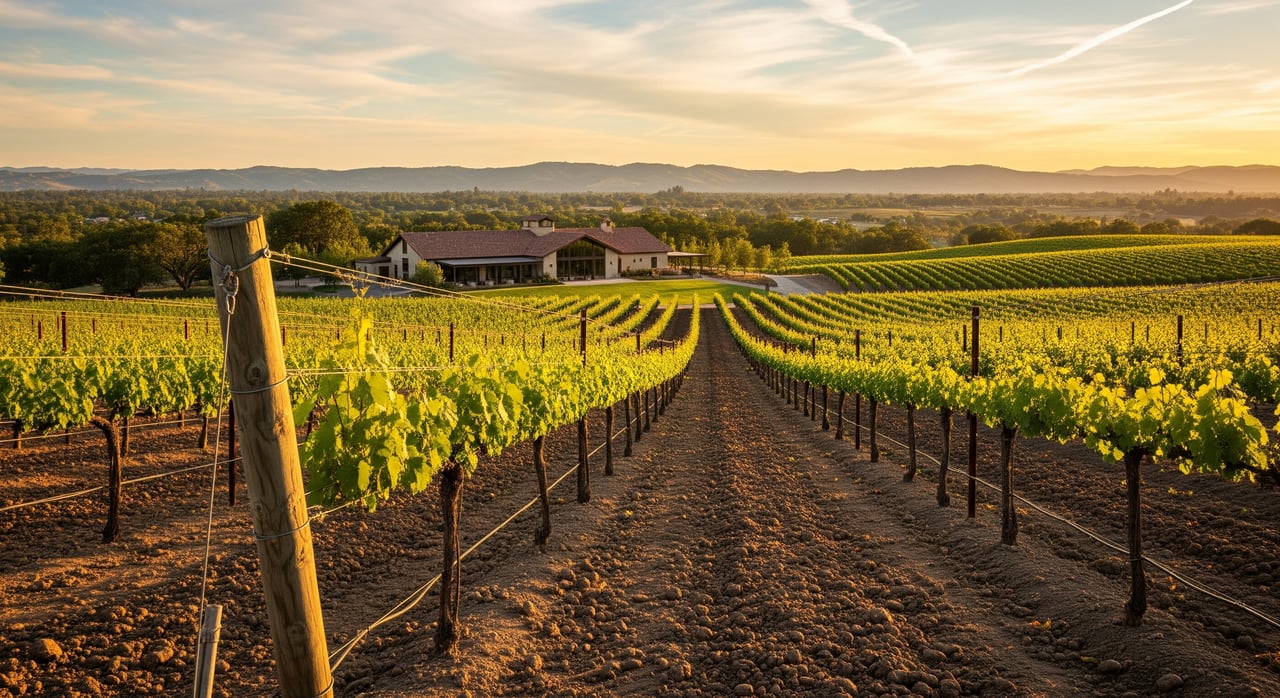
Thinking about buying a vineyard parcel in Greenfield? The right due diligence can be the difference between a thriving estate and a costly reset. You want clear steps, local context, and a way to spot risks early. This guide gives you a practical, Salinas Valley–focused checklist so you can make confident decisions and protect your investment. Let’s dive in.
Confirm jurisdiction first
Before anything else, confirm the parcel’s official county and local jurisdiction. Greenfield is part of the Salinas Valley, and county rules drive zoning, well permits, grading, and winery approvals. Get the legal description, APN, and recorded documents early. This avoids surprises later when you apply for permits or confirm water rights.
Legal and regulatory review
Title, easements, and encumbrances
Order a full title report and review the deed. Look for recorded easements, water rights, mineral rights, boundary issues, and any covenants, conditions and restrictions. Clarify road access and maintenance obligations. Resolve ambiguities before you proceed with technical studies.
Zoning and allowed uses
Confirm agricultural zoning and permitted uses for vineyards, agricultural buildings, and any planned processing or tasting activities. Check minimum parcel sizes, setbacks, and accessory-use limits. Ask the planning department how they treat vineyard development, grading, and erosion control.
Williamson Act status
If the parcel is under an agricultural preserve contract, it can help with property taxes but limits nonagricultural uses. Confirm enrollment status, renewal terms, and whether any planned winery or hospitality use fits the contract.
Permitting and CEQA
Planting a vineyard can trigger grading, erosion control, or environmental review. If you plan a winery building, expect additional permits and possible CEQA requirements. Identify sensitive resources early, such as wetlands or critical habitat, to refine your site plan.
Utilities and access
Confirm legal access, road width and condition for agricultural equipment and harvest trucks. Verify power availability and capacity for pumps and frost protection. If remote monitoring is part of your plan, check broadband options or alternatives.
Labor and neighbor considerations
Understand onsite worker housing rules and any buffer or notification requirements around sensitive sites. Visit neighbors to learn about spray schedules, dust, noise, and trucking patterns so you can plan compatibility and drift management.
Soils and topography
Why soils drive outcomes
Salinas Valley parcels can vary over short distances. Soil texture, salinity, and restrictive layers control rooting depth, vigor, and water needs. Do not assume uniformity across a block.
What to test
Run a soils program that pairs profile pits with lab tests. At a minimum, evaluate texture, pH, EC (salinity), organic matter, CEC, major nutrients, boron, sodium, and SAR. Profile pits reveal depth, drainage, and any hardpan that could limit roots.
Sampling plan
Use grid or zone sampling tuned to your parcel’s variability. Small or highly variable sites may need 1 to 2 samples per acre plus profile pits in representative zones. Sample at 0 to 12 inches for nutrients and deeper to 24 to 36 inches for rooting conditions.
Slope and erosion
Map slope and aspect. These affect frost drainage, equipment safety, erosion risk, and any grading permits. Align rows to manage cold air flow and runoff, and plan erosion control before planting.
Compaction and land history
Prior row crops or heavy equipment can create compaction layers. Profile pits and penetrometer readings help you plan ripping or amendment strategies before planting.
Climate and variety fit
Greenfield microclimate
Greenfield sits in the southern Salinas Valley with more heat accumulation than areas closer to Monterey Bay, yet it still benefits from coastal air movement. Expect meaningful diurnal swings. Microclimates within a parcel can support different varietals or clones block by block.
Data and on-site monitoring
Pull historical weather data from trusted sources and study frost, wind, and heat patterns. Walk the land at different times of day to understand cold air drainage and wind corridors. Temporary onsite sensors can confirm degree days and frost pockets before you commit to plant material.
Variety and rootstock choices
Cooler blocks may favor Chardonnay or Pinot Noir. Warmer blocks can support Bordeaux or Rhone varieties. Select rootstocks with tolerance for site-specific water quality and salinity. A local viticulturist can align clones, density, and trellis with your site’s heat and soil profile.
Water, quality, and SGMA
Sources to evaluate
Inventory all possible sources: existing groundwater wells, surface deliveries or rights, recycled water, shared wells, and onsite storage. Confirm legal status, permits, and reliability for each.
Water quality testing
Test water for EC or TDS, sodium, chloride, SAR, boron, nitrate, pH, iron, and manganese. Sample more than once to capture seasonal changes. Match irrigation design and rootstock choices to the actual water profile, not assumptions.
Groundwater and SGMA
The Sustainable Groundwater Management Act sets local rules for basin sustainability. Identify the local Groundwater Sustainability Agency and review the relevant plan for the Salinas Valley basin that covers your parcel. Understand any monitoring, metering, or allocation requirements that could affect long-term pumping.
Irrigation system planning
Size your system for peak demand and filtration needs. Include fertigation capacity and consider storage tanks or a small pond for heat events or drought. Confirm power availability for pumps and pressure regulation.
Operations, pests, and disease
Cropping history and residues
Review past cropping, pesticide records, and yields. Prior practices can signal nematodes, viruses, salinity buildup, or compaction. Target extra testing where history suggests risk.
Regional pressures
Plan for regional pest complexes such as mealybug and leafhoppers. Consider buffer strategies and timing to reduce drift or off-target movement. Build scouting and integrated pest management into your budget from year one.
Labor and harvest logistics
Confirm access for harvest trucks, load limits, and turnarounds. Evaluate the local labor pool and the feasibility of mechanization. Align row spacing, trellis, and roads with the equipment you plan to use.
Economics, timeline, and risk
Cost drivers
Budget for land prep, grading and drainage, vine and trellis materials, irrigation and filtration, fencing, and wind or frost protection if needed. Ongoing labor and inputs will vary by vine vigor, canopy management, and pest pressure.
Processing options
If you do not plan to build a winery, explore nearby custom crush facilities and cold storage. Outsourcing can reduce capital needs while you establish vines.
Insurance and risk planning
Consider crop insurance, frost mitigation, and business continuity planning. Carry reserves for water system repairs and unexpected soil remediation.
Time to production
Expect 3 to 5 years to reach meaningful yields, with small first harvests earlier. Build a realistic schedule that includes permit lead times, well drilling, plant material availability, and installation windows.
Step-by-step due-diligence checklist
Phase 0: Desktop review
- Confirm parcel legal description and county jurisdiction.
- Check zoning, Williamson Act status, and recorded easements.
- Identify the local GSA and review basin documents.
- Pull NRCS soil maps, FEMA flood maps, USGS topo, and historical aerials.
- Review crop history via local reports or satellite imagery.
Phase 1: Site reconnaissance and testing
- Visit the parcel in season and offseason to see microclimate and access.
- Execute a soils program with grid sampling and profile pits.
- Order lab analyses for texture, pH, EC, CEC, nutrients, boron, and sodium.
- Test water for EC or TDS, SAR, sodium, chloride, boron, nitrate, and pH.
- Obtain a boundary and access survey, plus topo if grading is likely.
Phase 2: Specialist evaluations
- Hire a viticulturist to interpret data and recommend varieties, rootstocks, trellis, and density.
- Engage a hydrogeologist if groundwater is primary, and review well feasibility and SGMA implications.
- Retain an agricultural attorney for title, easements, water rights, and permits.
- Consult a land-use planner or civil engineer if winery or major construction is planned.
Phase 3: Financials and contingencies
- Compile total project costs, including contingency.
- Build a realistic timeline for permits, drilling, plant material, and installation.
- Add escrow contingencies for soils, water quality, well yield, and county approvals.
Red flags to escalate
- High soil salinity, boron, or sodium without clear mitigation.
- Shallow restrictive layers or perched water tables that limit rooting.
- Unclear water rights or low well yields during pumping tests.
- Conflicts with neighboring land uses or chronic drift issues.
- Conservation easements or habitat constraints that limit vineyard use.
- Floodplain or wetlands that trigger extensive permits and cost.
Smart deal structures and contingencies
- Soils and water contingency: Allow time for profile pits, lab results, and at least one pumped well test.
- Permit confirmation: Add time to verify zoning, Williamson Act terms, and winery or grading approvals if needed.
- Winery or processing contingency: If onsite processing is planned, include a contingency for discretionary approvals.
- Holdbacks or phased closings: Tie releases to milestones such as well completion or trellis installation to manage risk.
Local resources to consult
- UC Cooperative Extension — Monterey County
- Central Coast Vineyard Team
- NRCS (USDA) — Web Soil Survey and local field office
- California Department of Water Resources — SGMA and basin information
- Monterey County Planning and Building Department (verify the correct county)
- Monterey County Agricultural Commissioner
- UC Davis Department of Viticulture and Enology
- The local Groundwater Sustainability Agency for the Salinas Valley basin
- Local licensed well drillers, hydrogeologists, and vineyard contractors
How we can help
You deserve guidance grounded in local vineyards and real farming experience. Our boutique team pairs hands-on land knowledge with a network of trusted viticulture, water, and planning specialists across the Salinas Valley. We help you structure due diligence, line up the right experts, and negotiate the contingencies that protect your capital.
If you are evaluating a parcel in Greenfield, start a conversation with the team that lives and works in Central Coast wine country. Connect with Carmel Valley Realty Company to plan a clear path from offer to first harvest.
FAQs
What is the first step in Greenfield vineyard due diligence?
- Confirm the parcel’s legal description and county jurisdiction, then verify zoning, Williamson Act status, and any recorded easements before you spend on testing.
How do I verify water under SGMA in the Salinas Valley?
- Identify the local Groundwater Sustainability Agency for your basin, review its plan, and pair that review with well permits, well logs, and a pumped yield test.
Which soil tests matter most for Greenfield parcels?
- Prioritize texture, pH, EC, CEC, nutrients, boron, sodium, and SAR, and pair lab work with profile pits to assess depth, drainage, and any restrictive layers.
What water quality parameters should I test before planting vines?
- Test EC or TDS, sodium, chloride, SAR, boron, nitrate, pH, and relevant metals, and sample more than once to capture seasonal variation.
How long until a new Salinas Valley vineyard reaches production?
- Plan for 3 to 5 years to reach meaningful yields, with small first harvests earlier, plus extra time for permits, drilling, and installation.
What red flags can derail a vineyard land deal in Greenfield?
- High salinity or boron, shallow rooting conditions, unclear water rights, poor well performance, restrictive easements, or sensitive habitat can change feasibility quickly.