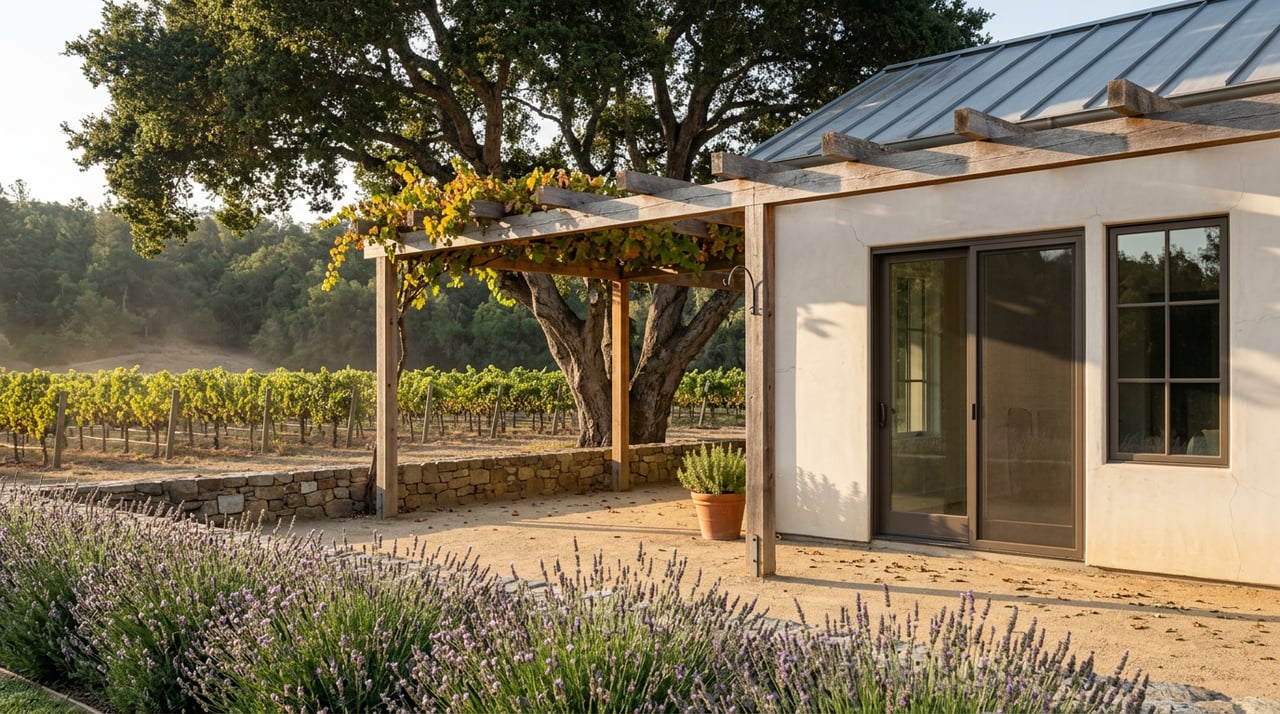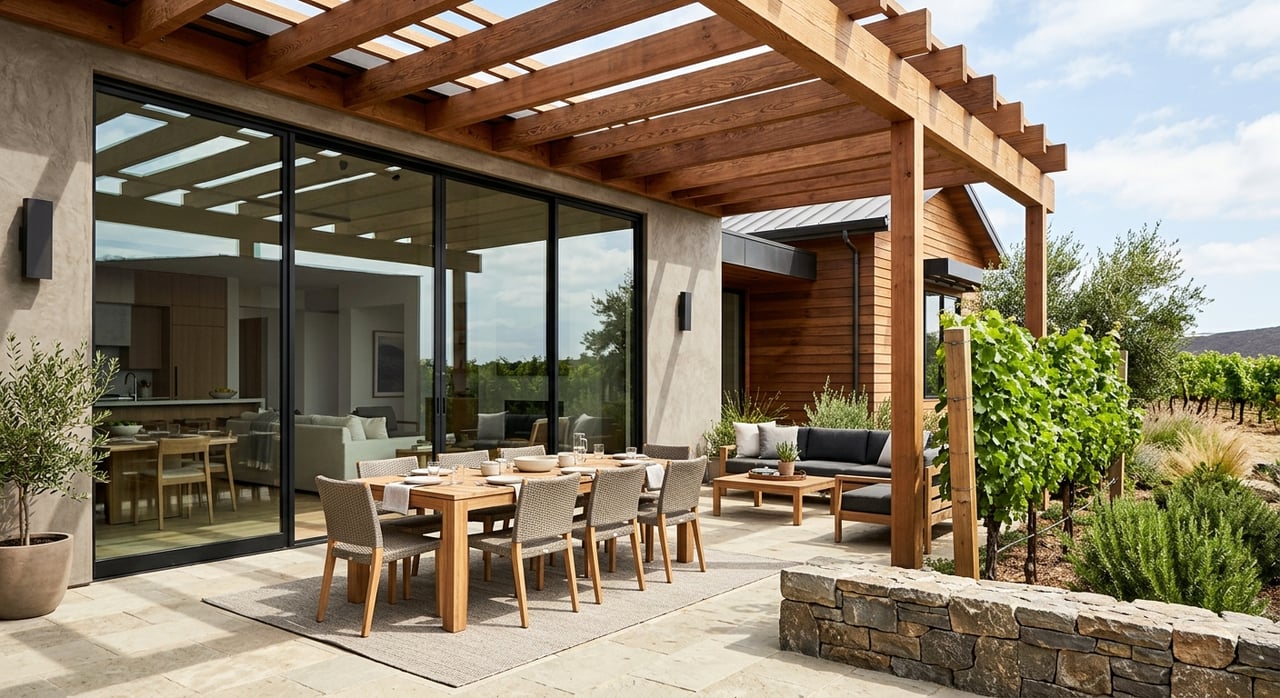
Dreaming of a few rows of vines outside your door? In Greenfield, that vision is less about a polished tasting district and more about land, water, and long-term planning. If you are considering boutique vineyard living here, understanding how Kern County handles rural parcels can help you separate a beautiful idea from a workable property. Let’s dive in.
What Boutique Vineyard Living Means in Greenfield
In Greenfield, boutique vineyard living starts with the realities of an unincorporated Kern County community. That means county land-use rules, parcel records, and permitting are the main guideposts when you evaluate a property.
For you as a buyer, the appeal is often clear: more privacy, open space, and room for a small agricultural lifestyle. The vineyard piece can absolutely be part of that picture, but it should be viewed as a land-based opportunity rather than a ready-made wine-country retail experience.
Why Greenfield Appeals to Rural Lifestyle Buyers
If you are drawn to rural acreage, Greenfield offers a very specific kind of value. The setting supports an inland lifestyle centered on space, agricultural potential, and flexibility, which can be attractive if you want a home with room to grow something meaningful over time.
That is especially true for buyers who are looking at hobby vines or a small-scale vineyard concept. In this area, the conversation usually begins with the parcel itself, not just the home, because the land will shape what is possible.
Start With Zoning and Parcel Type
Before you picture trellises and harvest bins, start with zoning. Kern County includes residential estate and agricultural districts, and what you can do on a parcel depends heavily on which district applies.
In the Estate (E) district, the purpose is larger-lot residential living. The minimum lot size is one-quarter acre, and agricultural uses are accessory uses that cannot be established until a primary use is established. In simple terms, if you want to plant vines on an Estate-zoned property, the main residential use matters first.
Kern County also has Exclusive Agriculture (A) and Limited Agriculture (A-1) districts. The county assessor’s use-code system recognizes vineyard-related uses, including table grape, wine grape, white wine grape, red wine grape, and private agricultural well sites, which shows that vineyard-oriented ownership is a known local property type.
Still, zoning alone is not the whole story. You also need to confirm recorded restrictions, easements, and any existing improvements on the parcel before assuming a property is vine-ready.
Why Site Conditions Matter So Much
A small vineyard can work as a hobby or a commercial venture, but grape growing is a long-term commitment. That is why site performance matters just as much as the beauty of the setting.
UC Cooperative Extension guidance highlights the basics you should review carefully:
- Sunlight
- Soil conditions
- Drainage
- Elevation
- Slope
- Aspect
- Frost exposure
For a Greenfield-area property, practical questions matter most. Does the site receive enough sun? Does cold air drain away from the vines? Is the soil well drained? Can the parcel support healthy vines over time?
Those details can shape success more than curb appeal. A scenic parcel may still have limitations if drainage, frost exposure, or slope work against your planting goals.
Climate Is Part of the Vineyard Equation
If you are serious about planting grapes, climate data deserves a close look. The National Weather Service Bakersfield climate page for the San Joaquin Valley provides 1991 to 2020 normals, monthly temperature summaries, precipitation totals, and first and last freeze information.
That information can help you think more realistically about what a property may support. Rather than assuming a certain varietal will thrive, you should review local temperature patterns, freeze timing, and rainfall as part of your early due diligence.
Water and Access Are Major Decision Points
On rural property, water can quickly become one of the most important parts of the deal. In Greenfield and the surrounding Kern County area, private water access can be central to whether a parcel supports hobby vines or a more serious agricultural plan.
Before you move forward, verify the basics:
- Well capacity
- Irrigation infrastructure
- Access easements
- Legal lot lines
- Existing road and driveway conditions
Kern County’s GIS system tracks parcel boundaries, legal lot lines, public easements, and other map layers. The county’s property-search tools are organized around APN and address lookups rather than owner-name searches, so that is often how the research process begins.
On larger lots, access can be more complex than many buyers expect. Kern County subdivision-improvement standards include special provisions for parcel maps in the A district, including surfaced internal and perimeter roads in some cases, which is a good reminder that rural access deserves careful review.
Can You Plant Vines on a Residential Parcel?
Possibly, but the answer depends on the parcel. In Kern County’s Estate district, agricultural cropping is allowed only as an accessory use tied to a primary use, so you cannot assume a residential lot automatically supports a vineyard plan in the way you imagine.
That is why parcel-level review matters so much. The size of the planting, the zoning designation, the existing improvements, and any recorded restrictions all help determine what is realistic.
What About Wine Production and Sales?
There is a big difference between growing a few vines and producing or selling wine. If your goal extends beyond hobby grapes into bottled wine or public tastings, state alcohol licensing becomes a separate step.
California ABC says a Type 02 winegrower license authorizes the production and sale of wine. ABC also has permits for wine sales events and winegrower estate tasting events.
Just as important, those licenses do not replace local land-use approvals. They sit on top of county zoning, building, and permitting requirements, so both layers need to align.
Don’t Overlook CLCA or Williamson Act Status
Some rural parcels may carry agricultural-preserve restrictions or tax-related land conservation arrangements. Kern County notes that its Agriculture Questionnaire is the annual questionnaire for CLCA properties, and county planning documents continue to reference Williamson Act contracts and agricultural preserves.
For you, that means one important takeaway: confirm whether CLCA or Williamson Act status applies to the parcel before you buy. Those protections or benefits can affect how the land is used and how you plan for the future.
A Smart Buyer’s Greenfield Checklist
If you are exploring boutique vineyard living in Greenfield, keep your review focused on the fundamentals:
- Confirm zoning and allowed uses
- Review APN-based parcel records and GIS mapping
- Check legal lot lines and access easements
- Evaluate well capacity and irrigation setup
- Study drainage, slope, and frost exposure
- Review climate and freeze data
- Ask whether CLCA or Williamson Act status applies
- Clarify whether your plan is hobby use or commercial use
- If wine production is the goal, understand ABC licensing needs
This kind of property search often rewards patience. A parcel may look perfect at first glance, but the right fit is the one where land use, water, access, and long-term goals all line up.
Why Local Guidance Matters on Rural Property
Rural and vineyard-oriented properties ask more of a buyer than a typical home search. You are not only evaluating bedrooms and finishes. You are also weighing zoning, infrastructure, site conditions, and long-range use.
That is where experienced guidance can make a real difference. When you approach a property with both lifestyle goals and practical land questions in mind, you are far more likely to make a confident decision.
Greenfield can be compelling for buyers who want open land and the possibility of a small vineyard lifestyle. The key is to treat that dream as a land-and-water decision first, then shape the lifestyle around what the property can truly support.
If you are considering rural acreage, vineyard property, or a land purchase with long-term potential, Carmel Valley Realty Company brings boutique service and real vineyard-property perspective to help you evaluate the opportunity with clarity.
FAQs
Can I plant grapevines on a residential parcel in Greenfield?
- Possibly. In Kern County’s Estate district, agricultural cropping is allowed as an accessory use only after a primary use is established, so the parcel’s zoning and existing improvements matter.
What should I check first on a Greenfield vineyard-style property?
- Start with zoning, parcel boundaries, legal lot lines, access easements, water availability, irrigation infrastructure, and site conditions such as drainage, slope, and frost exposure.
Does Kern County recognize vineyard-related property uses?
- Yes. Kern County’s assessor use-code system includes vineyard-related categories such as table grape, wine grape, white wine grape, and red wine grape uses.
Can I make and sell wine from a Greenfield property?
- If you want to produce and sell wine, California ABC licensing may be required, including a Type 02 winegrower license, along with any needed county zoning and building approvals.
Why is water such an important issue for Greenfield rural land?
- Many rural properties depend on private water resources, so well capacity and irrigation infrastructure can be central to whether a parcel can support vines over time.
Could a Greenfield parcel have agricultural-preserve restrictions?
- Yes. Some parcels may be subject to CLCA or Williamson Act arrangements, so you should confirm that status before purchase.