If you are torn between ocean air and inland sunshine, you are not alone. Many buyers looking across the Monterey Peninsula find themselves choosing between two very different daily experiences, even when the drive between them is short. Understanding how coastal living compares with life in Carmel Valley can help you focus on what will feel right long after move-in day. Let’s dive in.
Climate Shapes Daily Life
The biggest lifestyle difference often starts with the weather. Along the coast in places like Monterey and Carmel-by-the-Sea, the climate is strongly influenced by the marine layer, which keeps summer highs mostly in the high 60s and low 70s. In Carmel Valley, summer temperatures more often reach the upper 70s and low 80s, with afternoons that generally feel sunnier and warmer.
That shift affects more than your wardrobe. Coastal areas usually feel cooler, breezier, and more moisture-influenced, while Carmel Valley often offers a dry, bright afternoon rhythm that many buyers love for outdoor living. If you picture morning fog near the water versus late-day sunshine in the valley, you are already getting to the heart of the decision.
What Coastal Weather Feels Like
In Monterey and Carmel-by-the-Sea, sea fog is a regular part of life along the Pacific coast. That often creates a softer, cooler atmosphere, especially in the morning and evening. For some buyers, that is exactly the appeal.
The coast can feel calm, walkable, and tied closely to the shoreline. You may find yourself reaching for a light jacket more often, even in summer. If you enjoy breezes, layered weather, and a close relationship with the bay or beach, the coastal climate may feel like home.
What Valley Weather Feels Like
Carmel Valley offers a different daily pattern. It is inland enough to feel warmer and sunnier, especially in the afternoon, even though it remains connected to the broader Monterey Peninsula lifestyle.
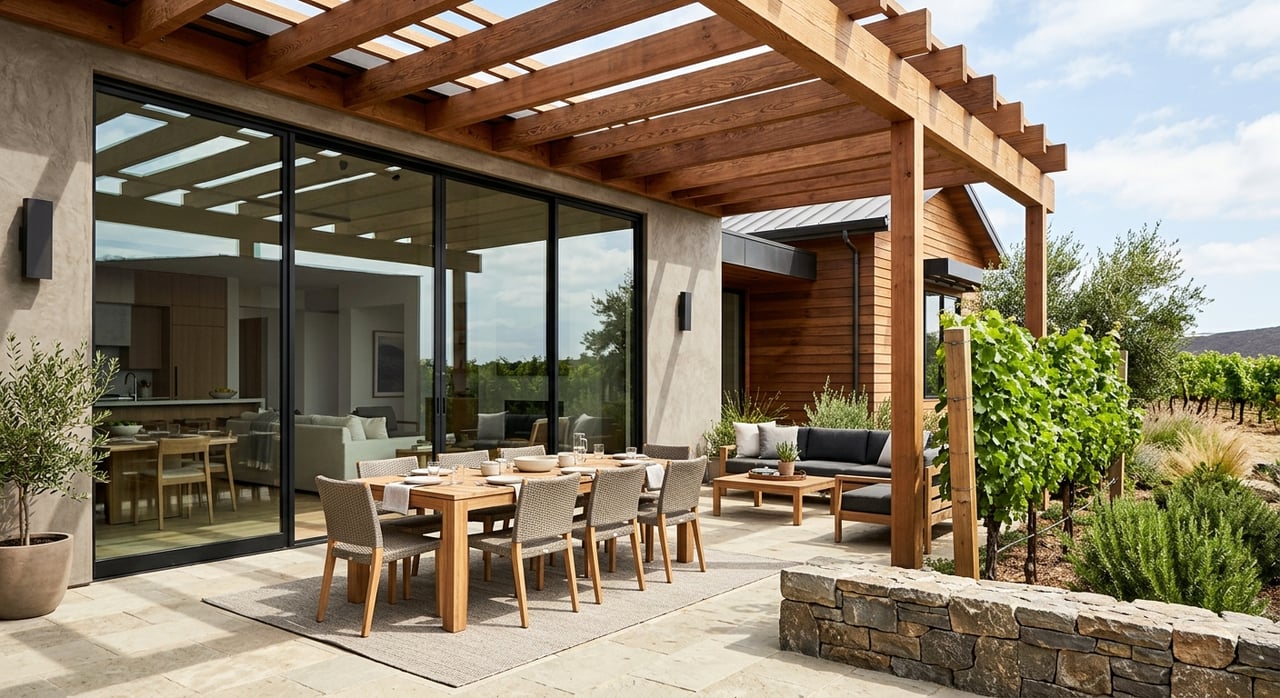
That warmer setting often supports more outdoor time at home, from patios and decks to garden spaces and rural acreage. For buyers who want sunlight, open skies, and a little more separation from the marine layer, valley living tends to check those boxes.
Daily Routine Looks Different
How you spend a normal Tuesday matters just as much as how a place looks on a weekend. Coastal areas and Carmel Valley support different kinds of routines, and that practical difference can shape your long-term satisfaction.
Carmel-by-the-Sea offers a compact, village-scale experience. The downtown district, nearby homes, restaurants, galleries, shops, and Carmel Beach all sit within a tightly integrated one-square-mile setting. The city is also known for features that make it feel distinct, including no street addresses, no mailboxes, and no streetlights outside the downtown commercial area.
Monterey remains highly walkable too, but with more of a waterfront rhythm. The city’s recreation trail runs the full length of the waterfront and supports daily access for pedestrians and bicyclists. That gives Monterey a day-to-day connection to the bay, the shoreline, and the historic downtown core.
Carmel Valley is more spread out. Monterey County describes it as a large planning area with primarily rural residential development and small-scale agricultural activity, with more concentrated residential clusters around commercial services in places like Carmel Valley Village and other valley nodes.
Coastal Living and Convenience
If you want a tighter daily radius, the coast may be the better fit. In Carmel-by-the-Sea, many daily destinations sit close together, which can create a simple, village-oriented routine. In Monterey, the waterfront and trail system shape a similarly connected pattern, though in a broader and more varied urban setting.
For many buyers, that means less focus on land and more focus on proximity. The benefit is a lifestyle tied to beaches, waterfront walks, and nearby dining or shopping. The tradeoff may be a smaller physical footprint and a setting that feels more active and compact.
Valley Living and Space
Carmel Valley usually appeals to buyers who want more breathing room. The area is known for its rural residential character, with homes, acreage, and village clusters spread across a broader landscape.
That can mean more driving as part of daily life, but it also creates room for privacy, views, and a stronger connection to land. Garland Ranch Regional Park is a major part of that lifestyle, anchoring hiking and horseback riding for residents who want outdoor recreation close to home.
Housing Character Has a Distinct Personality
The homes themselves often tell the story of each area. On the coast, architecture and neighborhood form are more tightly defined by historic context, design review, and established character. In Carmel Valley, the housing picture is broader and more rural in form.
Carmel-by-the-Sea places strong emphasis on architectural compatibility, privacy, and view protection. Historic structures cannot be demolished, and alterations must remain consistent with historic standards. The result is a built environment with a recognizable identity and a strong sense of continuity.
Monterey’s historic core has its own design language. City materials describe styles such as Monterey Colonial, Spanish Colonial, Craftsman Bungalow, and Vernacular Cottage, often with adobe walls, whitewash, tile or shingle roofs, verandas, and wood sash windows.
Carmel Valley is less tied to a single visual style. County planning describes it as rural residential and agricultural, and local history materials reference horse properties, comfortable estates, and modern ranch homes as part of the landscape. That gives buyers more variety in home type, setting, and lot configuration.
Coastal Homes Offer Historic Context
If you are drawn to character, detail, and established design traditions, coastal neighborhoods may stand out. Carmel-by-the-Sea and Monterey both carry a strong visual identity shaped by local planning and historic preservation.
That can be a major benefit if you value a neighborhood with a clear sense of place. It also means buyers should expect a more structured relationship between the home and its architectural surroundings.
Valley Homes Offer Variety and Land
In Carmel Valley, the home search often becomes more about setting than stylistic uniformity. You may find ranch homes, estate properties, horse-oriented parcels, or homes connected to small-scale agricultural uses.
For buyers seeking privacy, usable land, or a more relaxed rural-residential pattern, that flexibility can be a major advantage. It is one reason Carmel Valley continues to attract people who want lifestyle as much as location.
Ownership Comes With Different Tradeoffs
Every location has its own maintenance realities. Along the coast, the main issues often relate to moisture, salt exposure, and shoreline conditions. Inland in Carmel Valley, fire preparedness becomes a more important part of ownership.
Coastal weather includes sea fog and salt-influenced conditions that can affect exterior materials over time. Shoreline weathering is shaped by wetting and drying cycles as well as salt weathering from seawater and spray. Monterey’s coastal planning materials also address sea-level rise and beach-sand loss as real coastal issues.
In practical terms, coastal homeowners often pay closer attention to finishes, corrosion-prone materials, and general exterior upkeep. That does not make coastal ownership harder across the board, but it does mean maintenance priorities are different.
Carmel Valley’s ownership profile is shaped more by fire awareness. Monterey County’s Carmel Valley Master Plan requires fire district review for development and includes standards such as fire-resistant roofing and sprinklers in certain buildings in high-hazard areas. County fire-hazard maps classify areas by Moderate, High, and Very High risk, and CAL FIRE continues to emphasize defensible space and property preparation.
Coastal Ownership Considerations
If you buy near the coast, you may be choosing a cooler environment in exchange for more moisture-related upkeep. Salt air and marine conditions can influence how often you evaluate exterior surfaces and exposed materials.
For many homeowners, that is a worthwhile trade for beach access, bay views, and a stronger pedestrian lifestyle. The key is understanding those conditions ahead of time so your expectations match the setting.
Valley Ownership Considerations
If you buy in Carmel Valley, fire preparedness should be part of your planning from the start. Depending on the property and location, that may include attention to roofing materials, defensible space, access, and other site-specific features.
For buyers who want sunshine, privacy, and rural-residential surroundings, that is often part of the overall equation. The important thing is not to treat it as an afterthought.
Which Lifestyle Fits You Best?
For most buyers, this is not a question of better or worse. It is a question of which environment supports the way you want to live.
Coastal living often suits you if you want beach access, a more compact routine, historic ambiance, and a setting where walking plays a bigger role in daily life. Monterey and Carmel-by-the-Sea each offer that in different ways, with Monterey leaning toward waterfront activity and Carmel-by-the-Sea leaning toward village charm.
Carmel Valley often suits you if you want more sun, more privacy, and a lifestyle centered on trails, parks, village nodes, and rural residential space. It can be especially appealing if you are drawn to acreage, equestrian properties, vineyard potential, or a home that feels connected to the land.
A smart way to decide is to look past the postcard version of each area. Think about your morning routine, your comfort with upkeep, how much space you want, and whether you feel more at home near the beach or under warmer valley skies.
At Carmel Valley Realty Company, we believe the right home starts with the right fit for your lifestyle. If you are weighing coastal versus valley living on the Monterey Peninsula, Carmel Valley Realty Company can help you compare neighborhoods, property types, and day-to-day tradeoffs with local insight and personalized guidance.
FAQs
What is the main climate difference between coastal Monterey Peninsula areas and Carmel Valley?
- Coastal areas like Monterey and Carmel-by-the-Sea are generally cooler, breezier, and more influenced by sea fog, while Carmel Valley is typically warmer and sunnier, especially in the afternoon.
How does daily life in Carmel Valley compare with Carmel-by-the-Sea?
- Carmel-by-the-Sea has a compact village layout with many destinations close together, while Carmel Valley is more dispersed and usually offers a more rural-residential routine with more driving and more space.
What kinds of homes are common in Carmel Valley?
- Carmel Valley is known for a mix of rural residential and agricultural property types, including ranch homes, estate properties, horse properties, and homes on larger parcels.
What kinds of homes are common in Monterey and Carmel-by-the-Sea?
- Coastal areas include historically influenced homes and neighborhoods, with Carmel-by-the-Sea emphasizing architectural compatibility and Monterey featuring styles such as Monterey Colonial, Spanish Colonial, Craftsman Bungalow, and Vernacular Cottage.
What maintenance issues should buyers expect near the coast on the Monterey Peninsula?
- Coastal homes may require more attention to moisture, salt exposure, corrosion-prone materials, and exterior finishes due to sea fog, wetting and drying cycles, and salt-influenced conditions.
What ownership considerations matter most in Carmel Valley?
- In Carmel Valley, fire preparedness is a major consideration, including awareness of fire-hazard classifications, defensible space, and property features that may be subject to local fire-related standards.
Is Carmel Valley or the coast better for outdoor recreation on the Monterey Peninsula?
- That depends on your preference, since the coast offers beach and waterfront access, while Carmel Valley is strongly connected to trails, parks, and horseback-riding areas such as Garland Ranch Regional Park.