If you are selling a cottage in Carmel, it helps to remember that buyers are not just comparing square footage. They are reacting to setting, scale, character, and how naturally the home fits its surroundings. When you understand what buyers notice and how Carmel’s local rules shape value, you can make better choices about prep and pricing. Let’s dive in.
Why Carmel cottages price differently
Carmel-by-the-Sea is a very specific market. The city is about 1 square mile, entirely within the coastal zone, and shaped by local coastal and design rules that influence what owners can change and how homes are experienced.
That compact footprint matters when you sell. In Carmel, buyers often weigh village access, beach proximity, privacy, and block-by-block setting just as heavily as interior features. Because sidewalks are limited outside the downtown business area, the feel of a location can vary noticeably from one area to the next.
The city also includes walking paths, green belts, and nine designated park, open space, and recreational areas. For many buyers, that means a cottage’s relationship to outdoor access and the village setting can meaningfully influence demand.
What buyers want in a Carmel cottage
Carmel’s preservation and design framework favors homes that feel authentic to the area. The city’s historic preservation ordinance and residential design guidelines emphasize modesty, simplicity, open space, and a natural landscape setting.
In practical terms, buyers often respond well to cottages that feel well cared for rather than overworked. A house does not need to look brand new to make a strong impression. It needs to feel bright, tidy, and true to its scale.
Keep original character visible
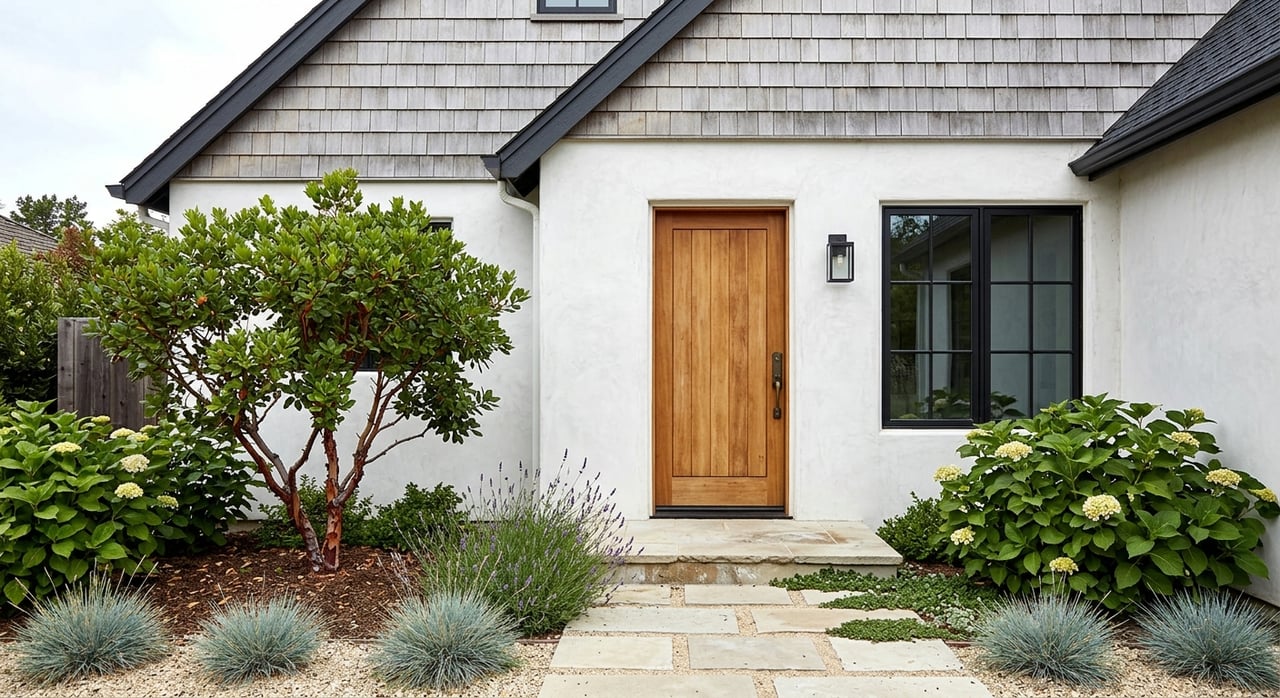
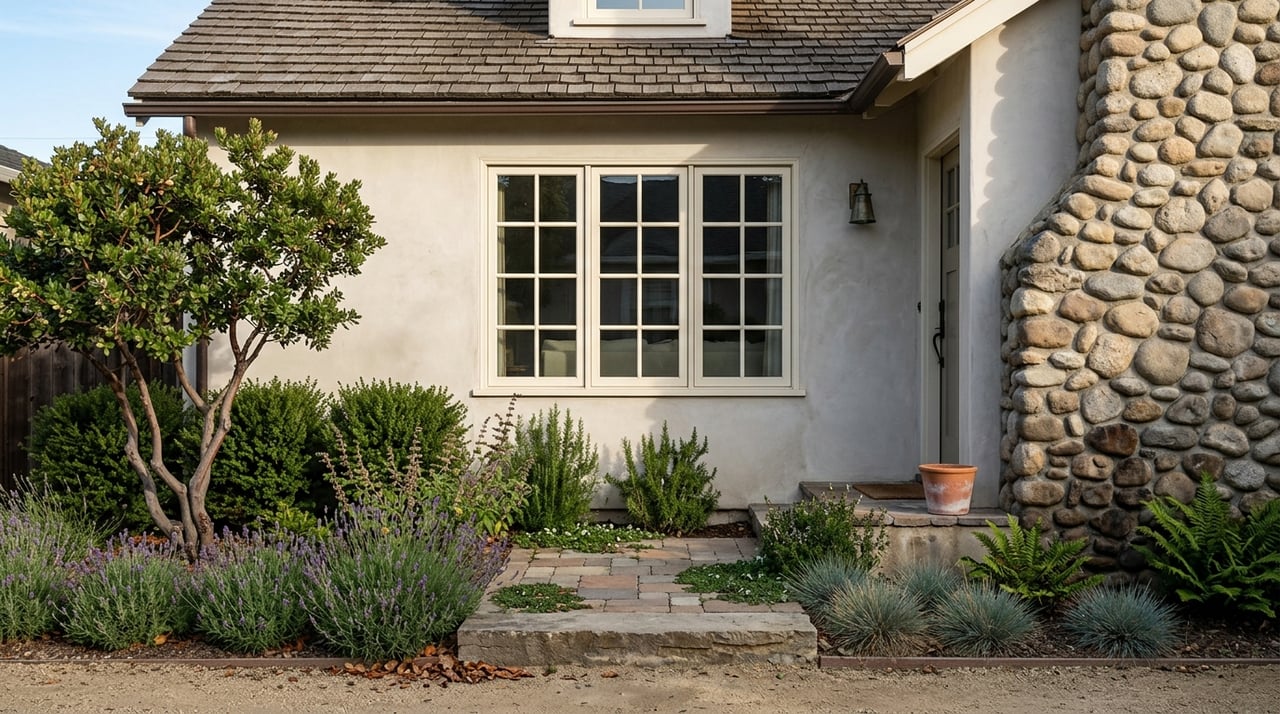
Carmel’s design guidelines prefer natural materials such as painted wood clapboard, board-and-batten siding, shingles, and native stone. They discourage synthetic siding and note that, when feasible, original windows should be restored rather than replaced.
That creates an important selling principle. If your cottage has original details, proportionate windows, or classic exterior materials, those features may support buyer appeal when they are maintained and presented well.
Avoid making the home feel oversized
The same guidelines favor human-scale doors and windows and discourage oversized street-facing openings. They also prefer muted earth-tone palettes and informal front gardens over suburban-style lawn frontage.
For sellers, that means presentation should feel restrained and cohesive. Buyers looking in Carmel are often drawn to homes that feel comfortable, timeless, and connected to the site, not overly redesigned or visually loud.
Presentation steps that fit Carmel
Before listing, focus on improvements that support the cottage’s charm instead of erasing it. Selective updates are often better aligned with local expectations than a full style overhaul.
A smart prep plan may include:
- Cleaning exterior surfaces
- Repairing trim and minor wood wear
- Touching up paint in muted, natural-looking tones
- Restoring or maintaining window and door details where feasible
- Refreshing planting so landscaping frames the house instead of hiding it
- Reducing clutter so rooms feel light-filled and proportional
These steps help the property read as cared for and authentic. In a market like Carmel, that can be more effective than trying to force a cottage into a generic luxury look.
Landscape matters more than many sellers expect
Because Carmel’s design language supports natural landscape settings and informal front gardens, your exterior presentation deserves special attention. Landscaping should complement the home’s architecture and make the site feel inviting.
That does not mean adding elaborate features. It often means tidying plantings, keeping pathways clear, and making sure the home remains visible and balanced from the street.
Pricing requires Carmel-specific comps
One of the biggest mistakes a seller can make is pricing from broad Monterey County averages. Carmel operates on its own pricing logic, and countywide numbers do not tell the full story.
Recent market data shows just how wide the gap is. Redfin’s May 2026 Carmel data reports a median sale price of $3,492,910, median days on market of 14, a 99.5% sale-to-list ratio, and a median sale price per square foot of $1.9K.
By contrast, MLSListings’ March 2026 Monterey County single-family summary shows a median sale price of $903,480, 17 median days on market, and sales at 98% of list price. Realtor.com also reports a much lower county median listing price and longer average market time.
Why micro-location can change value fast
In Carmel, a cottage’s value can shift based on details that may seem subtle from outside the market. Block location, village access, beach proximity, privacy, outdoor space, condition, and permit history can all influence pricing.
How well the home preserves Carmel’s scale and materials can matter too. In a design-conscious market, buyer perception is often shaped by how naturally a property fits local expectations.
What current market numbers suggest
Carmel appears to be a market that can reward good pricing quickly. Redfin reports that 31.3% of homes sold above list price, while 16.2% had price drops.
That mix tells an important story. Buyers will compete for the right property, but overpricing can still cost you time and negotiating strength.
How to think about list price
A strong list price should be built from recent Carmel comparables, not a broad county formula. That means comparing your home to similar cottages and bungalows with similar location advantages, lot feel, condition, and presentation.
If your cottage offers especially strong walkability, outdoor enjoyment, privacy, or preserved architectural character, those features may support pricing at the higher end of a comp range. If permit history is unclear or condition issues are visible, buyers may discount the home more quickly.
Overpricing can work against charm
Some sellers assume a charming cottage can simply “test the market.” In Carmel, that can backfire. When a property is not aligned with buyer expectations on price, it may lose momentum even in a market that moves relatively quickly.
With a median 14 days on market in Carmel, early response matters. Correct pricing and polished presentation often work best together.
Pre-listing logistics to handle early
In Carmel, preparation is not only about looks. It is also about documentation and understanding local requirements before you make changes or bring the home to market.
The city provides electronic permit history for parcels within its jurisdiction. That makes it wise to review past improvements, verify what was approved, and clarify any open questions before listing.
Check permit history before updates
If you are considering last-minute work, pause first and confirm the approval path. Carmel’s permit procedures state that development in the coastal zone must be consistent with the Local Coastal Program, the California Coastal Act, and related regulations.
Exterior additions, remodeling, and new buildings in residential zones are reviewed through design review. Certain increases of more than 10% in floor area or height also require a coastal development permit.
Know local sign rules
Listing promotion also follows local limits. MCAR’s Carmel-by-the-Sea city-selling guidance says on-site open-house signs are limited to one per property, no larger than 3 square feet, and allowed only during daylight hours.
The same guidance says on-site for-sale signs are capped at 3 square feet with a 3-inch maximum letter size, and balloons, banners, and lights are prohibited. That makes a thoughtful marketing plan especially important.
Understand rental expectations
If buyers may view the property as a second home or occasional rental, local use rules can affect pricing conversations. MCAR notes that in Carmel’s R-1 zoning, the minimum rental period is 30 days.
That detail can shape buyer expectations about flexibility and income use. If that topic may come up, it is best to be clear about it from the start.
A practical strategy for cottage sellers
In many Carmel sales, the best results come from doing four things well: preserve what gives the cottage identity, repair what distracts, document what buyers will ask about, and price from true local comps.
This market often rewards thoughtful restraint. Instead of trying to remake the home, you are usually better served by presenting it as an authentic Carmel property that feels cared for, functional, and well positioned in its setting.
When you want guidance on how to prepare, position, and price a Carmel cottage with local context in mind, Carmel Valley Realty Company offers high-touch insight tailored to the Monterey Peninsula.
FAQs
How should you prepare a cottage for sale in Carmel?
- Focus on selective improvements such as cleaning, minor repairs, trim and paint touch-ups, landscape cleanup, and preserving original scale and materials where feasible.
Why should you use Carmel comps instead of Monterey County averages?
- Carmel’s pricing is significantly different from countywide trends, with much higher median sale prices and market behavior that is shaped by micro-location, character, and local design context.
Does walkability matter when selling a cottage in Carmel?
- Yes. Because sidewalks are limited outside the downtown area, village access and block-level walkability can meaningfully affect buyer interest and perceived value.
Should you renovate a Carmel cottage before listing it?
- Usually, selective work is more aligned with the local market than a full remodel, especially when the goal is to preserve authenticity and architectural character.
What documents should you gather before listing a cottage in Carmel?
- Permit history, records of past improvements, and clear information about what has been approved under Carmel’s local coastal and design review framework are especially useful.
How fast can a well-priced cottage sell in Carmel?
- Recent Carmel market data shows a median of 14 days on market, which suggests that well-priced homes can move quickly, while overpriced homes may face reductions.